
-
2 minutes, 11 seconds
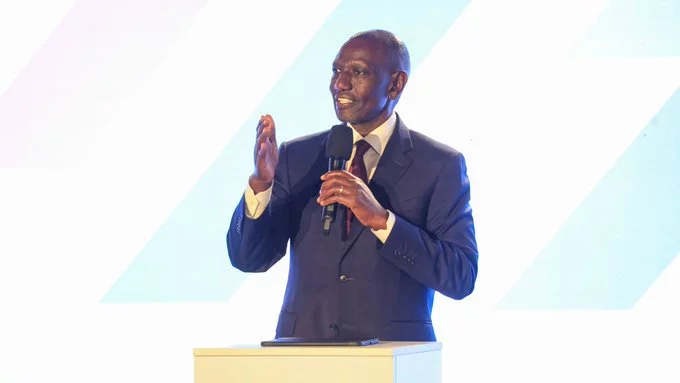
A proposed 1-gigawatt AI data center in Kenya—backed by Microsoft—would require a third of the country's electricity, raising serious concerns about energy sustainability and access for citizens. The massive project, originally announced in 2024, has stalled as officials debate scaling back its ambitious goals.
Kenyan President William Ruto recently warned that operating this data center at full capacity could force the country to cut power to as many as half of its citizens and businesses. The facility, planned for the Olkaria region in Kenya's Rift Valley, would rely on geothermal energy but still consume an enormous share of the national grid.
Kenya already struggles with energy access. About 25% of the population lacks reliable electricity. A data center consuming a third of the country's power could worsen this gap. For context, 1 gigawatt is enough to power roughly 800,000 homes—but in Kenya, it could serve millions of households if distributed efficiently.
Discussions are now underway to reduce the project's size. A smaller facility—perhaps 500 megawatts or less—could balance economic benefits with energy needs. Microsoft and G42 are reportedly open to compromise, but no final decision has been made.
Energy analysts suggest a phased approach: start small, monitor impact, and expand only if the grid can handle it. This would allow Kenya to test the waters without risking widespread blackouts.
This situation is a cautionary tale for nations hosting large-scale AI data centers. Key takeaways include:
The future of the Microsoft-backed Kenya data center remains uncertain. All parties are meeting to discuss potential changes. For now, the project is on hold, and the world watches to see if Kenya can balance tech ambition with energy reality.
Stay tuned for updates on this developing story.

2.5K articles

1.4K articles

34 articles

28 articles













Comment