Alerts

-
7 minutes, 35 seconds
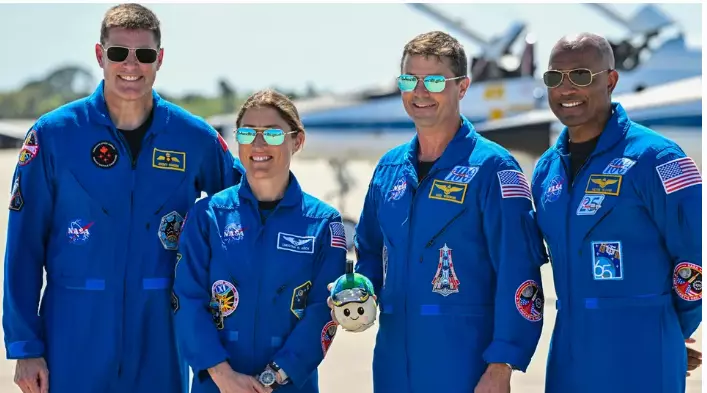
What is the Rise plushie, and why is it trending after Artemis II? The answer blends space innovation with the growing power of freelancers. The small toy wasn’t just a cute addition—it served as a zero-gravity indicator aboard NASA’s mission. Designed through a global freelance competition, the plushie quickly became a viral symbol of creativity and science. Its story highlights how modern space programs are tapping into talent beyond traditional hiring. As interest surges online, the Rise plushie is becoming more than a souvenir—it’s a case study in innovation. And it reveals how anyone, anywhere, can contribute to something as big as space exploration.
The Rise plushie was inspired by “Earthrise,” the iconic view of Earth from the Moon. But its role aboard Artemis II was far more functional than symbolic. NASA needed a clear, visual way for astronauts to confirm when they had entered microgravity. While spacecraft systems provide data, they can be complex or fail under certain conditions. A floating object offers an immediate, human-readable signal that weightlessness has begun. That’s where the plushie came in—it would simply drift once gravity no longer applied. The concept may sound simple, but solving it required creativity and precision. And instead of relying solely on internal teams, NASA looked outward.
To solve this challenge, NASA partnered with Freelancer.com, a global platform similar to Upwork and Fiverr. Together, they launched a competition inviting freelancers worldwide to design the zero-gravity indicator. The response was overwhelming, with thousands of creative submissions pouring in from different countries. Participants ranged from seasoned professionals to hobbyists and students. In a surprising twist, the winning design came from a second grader—proving that innovation isn’t limited by age or credentials. The selection process even involved astronaut input, ensuring the final design met both functional and emotional criteria. It was a fresh approach to solving a highly specialized problem.
NASA’s approach reflects a growing hiring strategy known as open innovation. Instead of relying on internal teams or traditional recruitment, organizations release challenges to a global audience. This method attracts diverse perspectives and unexpected solutions. In one example, NASA sourced a software expert working across industries and continents—someone they likely would never have found through a standard job listing. Freelancers bring niche skills and unconventional thinking that can unlock breakthroughs. The model works because it removes barriers and focuses purely on solving the problem. It also allows organizations to test ideas quickly without long-term commitments. As industries evolve, this strategy is becoming increasingly valuable.
Following Artemis II, the Rise plushie captured public attention in a way few expected. Social media buzz and growing search trends turned it into a “hot commodity,” with many eager to own a piece of the mission. Although NASA doesn’t directly produce merchandise, demand has pushed approved vendors to begin reviewing production options. The plushie’s popularity reflects a broader fascination with human-centered elements of space exploration. People connect more easily with tangible, relatable symbols than technical systems. In this case, a small floating toy became the emotional highlight of a historic mission. It bridged the gap between complex science and everyday curiosity. And that connection helped it spread rapidly online.
The Rise plushie story also points to a larger shift in the global workforce. Freelancers are no longer limited to traditional roles like writing, design, or marketing. Today, they are contributing to advanced fields like aerospace, healthcare, and data science. As automation and AI reshape jobs, companies are increasingly seeking flexible, specialized talent. Freelancing offers access to a global pool of expertise that can be deployed on demand. This model is especially valuable for solving unique or short-term challenges. It also empowers individuals to work on projects that go beyond routine tasks. The result is a more dynamic and innovative economy.
For professionals, the message is clear: opportunity is expanding in unexpected directions. The Rise plushie shows that even unconventional ideas can lead to meaningful contributions. Instead of limiting yourself to familiar career paths, it may be worth exploring problems that spark curiosity. Many high-impact opportunities exist outside traditional job structures. Competitions, open calls, and freelance platforms are becoming gateways to global projects. The key is to focus on what problems you can solve exceptionally well. By doing so, you position yourself for opportunities that others might overlook. In a changing job market, adaptability and creativity are becoming essential.
The Rise plushie may seem small, but its impact tells a much bigger story. It represents a shift in how organizations like NASA approach talent and problem-solving. By opening doors to freelancers, they unlocked creativity that might have otherwise gone unnoticed. The success of this approach challenges traditional ideas about who gets to contribute to major innovations. It also highlights the value of diverse thinking in solving complex problems. As industries continue to evolve, this model is likely to expand even further. And for those willing to think differently, the next big opportunity could be closer than they imagine.










Comment