Alerts

-
2 minutes, 51 seconds
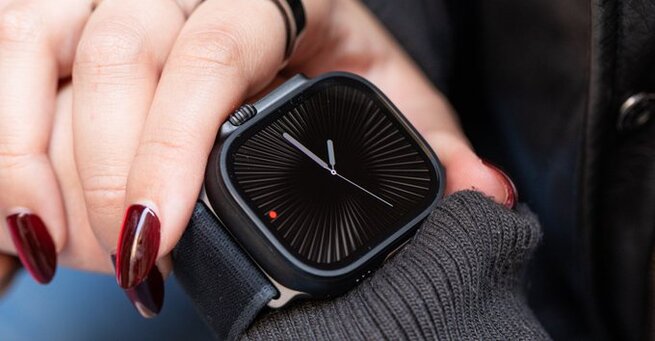
Medical technology company Masimo has filed a lawsuit against US Customs and Border Protection after the agency reversed an earlier ban on Apple Watch imports. The case revolves around Apple’s use of blood oxygen tracking technology, which Masimo claims infringes on its patents. Masimo argues that Customs allowed Apple to bypass the International Trade Commission’s (ITC) restrictions without proper notice, sparking the latest chapter in a legal battle that has been ongoing since 2020.
The conflict began when the ITC ruled in 2023 that Apple had violated Masimo’s patents related to pulse oximetry technology, leading to an import ban on certain Apple Watch models. To comply, Apple temporarily disabled the blood oxygen feature in the US. However, Apple later introduced a redesigned system that shifted calculations to the iPhone, effectively restoring the functionality. Masimo now argues that US Customs wrongly approved this workaround and failed to inform the company about the reversal in advance.
For Apple Watch users, the dispute has created uncertainty around the availability of health-tracking features. While Apple’s workaround keeps the blood oxygen sensor active in the US, Masimo contends that it undermines patent protections and raises questions about fairness in trade enforcement. The case highlights the growing importance of health technology in wearables, as companies compete to add advanced medical-grade sensors that appeal to fitness and wellness-focused consumers.
Masimo’s lawsuit against US Customs could set an important precedent for how patent rulings are enforced in the tech industry. If the court sides with Masimo, Apple may face renewed restrictions on selling certain Apple Watch models in the US. On the other hand, if Customs’ decision stands, it could give tech companies more flexibility in how they adapt features to meet legal challenges. The outcome will be closely watched by both the wearable tech market and legal experts tracking intellectual property disputes.










Comment