Alerts

-
2 minutes, 45 seconds
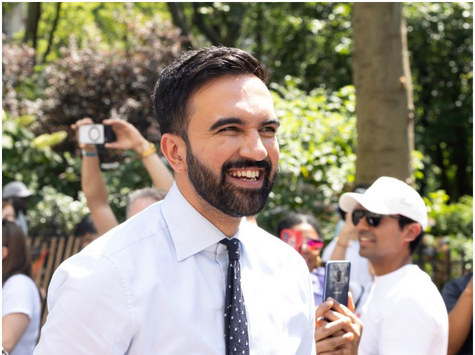
Zohran Mamdani’s historic election as New York City’s next mayor—the first Muslim and South Asian to hold the office—marks a milestone for representation. Yet, reports from CAIR and Stop AAPI Hate show a parallel rise in Islamophobia and anti–South Asian hate. As public discourse heats up, workplaces often mirror these tensions. For HR leaders and executives, this moment calls for vigilance, compassion, and proactive inclusion policies to prevent bias from spilling into the workplace.
Workplaces must anticipate that public bias can seep into professional environments. According to Stop AAPI Hate co-founder Manjusha Kulkarni, hate rhetoric can manifest as microaggressions, exclusion, or retaliation against Muslim and South Asian employees. Companies can respond effectively by:
Enforcing zero-tolerance policies for harassment.
Offering safe reporting systems and culturally inclusive spaces.
Encouraging leadership to speak publicly in support of diversity.
When leaders act quickly and transparently, they send a clear signal that prejudice has no place in the organization.
As HR expert Sara Yahia noted, New York’s vote “reflects hope and inclusion,” but online spaces reveal a harsher reality—anti-Muslim hate speech has surged by over 400%. Public silence can be misread as acceptance. Now more than ever, companies must reaffirm their stance on inclusion to maintain employee trust, safeguard morale, and align with evolving social expectations. Diversity isn’t a PR statement—it’s a resilience strategy.
Experts recommend companies stay proactive, not reactive. This means anticipating harm before it happens. Regular anti-bias training, anonymous feedback systems, and leadership accountability reviews can help create safer environments. Transparency is key: communicating actions, not just intentions, ensures employees feel supported. In today’s climate, safeguarding employees’ dignity isn’t just good ethics—it’s good business.










Comment