Alerts

-
2 minutes, 9 seconds
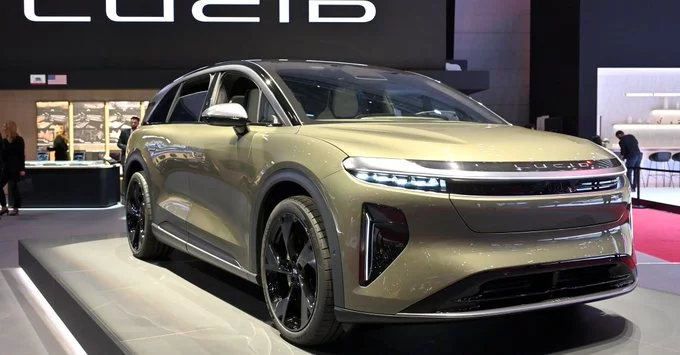
The recent rumors about Lucid Motors facing bankruptcy have sparked serious concerns about the future of electric vehicles (EVs). As one of the most promising EV startups, Lucid’s potential collapse signals deeper problems in the industry, including high production costs, fierce competition, and uncertain consumer demand. This article explores why the Lucid bankruptcy rumor is a bad sign for the EV future and what it means for investors, buyers, and the broader market.
Lucid Motors, known for its luxury electric sedans, has struggled to meet production targets and turn a profit. The company recently reported significant financial losses, leading to speculation about its ability to survive. Key factors include:
The Lucid bankruptcy rumor is not just about one company—it reflects broader challenges for the EV sector. Here’s what it means:
When a high-profile EV maker like Lucid faces trouble, investors become cautious. This can reduce funding for other startups, slowing innovation and growth.
Established automakers like Tesla, Ford, and Volkswagen are dominating the EV market. Smaller players like Lucid struggle to compete on price, scale, and brand loyalty.
Potential EV buyers may worry about long-term support and resale value if a manufacturer goes bankrupt. This hesitation can slow overall EV adoption.
While the situation looks grim, Lucid still has options. The company could:
The Lucid bankruptcy rumor is a wake-up call. The EV industry must address key issues to thrive:
The Lucid bankruptcy rumor highlights the harsh reality of the EV market: not every startup will survive. However, this doesn’t mean the end of electric vehicles. Instead, it signals a necessary shakeout that will strengthen the industry in the long run. For now, keep an eye on Lucid’s next moves—they could shape the future of sustainable transportation.










Comment