
-
1 minute, 45 seconds
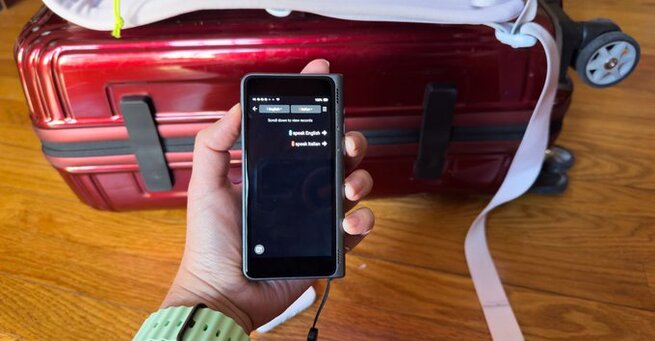
AI translation tools promise seamless communication, but many travelers find themselves lost in AI translation. Whether using a Pocketalk device or a translation app on your phone, context, accents, and cultural nuances often trip up AI, leaving users frustrated. Many ask: “Can AI translators really replace human interpretation?” The short answer: not yet. Misunderstandings during travel or business meetings are common, making real-life conversations trickier than expected.
Even with cutting-edge AI models, lost in AI translation scenarios happen when nuances or slang are involved. Automatic translators often fail with idioms, tone, or non-standard grammar. This can turn simple directions or casual conversation into a confusing game of guessing. Travelers should pair AI tools with common sense strategies like visual cues, gestures, or double-checking translations to reduce mishaps.
Travelers can minimize risks by preparing ahead. Pre-downloading key phrases, using dual-language apps, or keeping a small phrasebook handy can prevent being lost in AI translation. Also, choosing devices that allow real-time voice and offline translation ensures you’re not stranded in situations where internet access is limited. Combining AI tools with human intuition is the safest approach.

2.5K articles

1.4K articles

34 articles

28 articles











Comment