
Alerts
-
4 minutes, 27 seconds
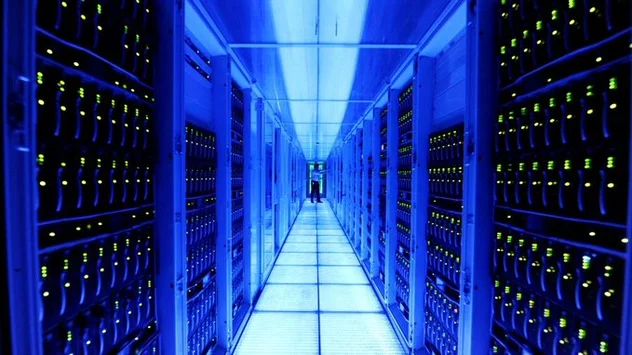
Data centers are the backbone of AI, high-performance computing (HPC), and cloud services—but their growing energy demands are raising urgent questions about cooling. How can facilities maintain efficiency while keeping costs and environmental impact low? Traditionally, air cooling has dominated, but liquid cooling is rapidly gaining attention for its ability to handle higher power densities. Understanding the differences between these approaches is critical for data center managers planning for the future of technology.
Air cooling relies on large fans and ventilation systems to move air across servers, drawing heat away from critical components. It’s widely deployed, relatively easy to maintain, and integrates well with existing infrastructure. However, as data center workloads grow—especially AI and HPC—air cooling struggles to manage high heat densities efficiently. Fans need to run at higher speeds, increasing electricity consumption and noise. The limitations of air cooling make it less sustainable for the high-density, energy-hungry workloads expected by 2030.
Liquid cooling channels warm water or other coolants directly through server components, absorbing heat more effectively than air. This method significantly reduces energy usage for cooling, often cutting electricity consumption by up to 50% compared to air-based systems. It also enables higher server density within smaller spaces, which is essential for modern data centers packed with AI and HPC hardware. While initial setup costs are higher, long-term savings and environmental benefits make liquid cooling increasingly attractive.
Thermal efficiency is a decisive factor when choosing between air and liquid cooling. Air cooling can handle moderate workloads but loses effectiveness as server power increases. Liquid cooling maintains consistent temperatures even under heavy load, improving component longevity and reducing the risk of overheating. Data centers using liquid cooling often see more predictable performance, which is vital for mission-critical applications in AI research and cloud computing.
With data centers consuming around 1.5% of global electricity—and projections showing this could double by 2030—sustainability has moved from optional to essential. Liquid cooling systems require less energy for the same cooling output, lowering carbon footprints. They also reduce the need for large-scale ventilation infrastructure, which further cuts material and operational costs. Air cooling remains simpler to deploy, but its environmental impact grows with rising energy demands.
Air cooling systems are familiar and inexpensive upfront but can become costly as power density grows and fans run continuously. Liquid cooling demands more sophisticated installation, monitoring, and potential maintenance for coolant management. Yet, it scales better with high-density workloads, offering long-term savings for large or rapidly expanding data centers. Choosing the right system involves balancing initial investment, operational costs, and future infrastructure needs.
As AI, HPC, and cloud technologies continue to expand, data centers must weigh efficiency, sustainability, and performance. Air cooling suits smaller, lower-density setups or existing infrastructures, while liquid cooling addresses high-density, high-energy workloads with lower long-term energy costs. Understanding these key differences enables organizations to optimize operations, reduce carbon emissions, and prepare for the growing demands of tomorrow’s technology.










Comment