Linux Ends Intel 486 Support After Decades
Linux drops Intel 486 support, marking the end of compatibility for one of the oldest processors still recognized by modern systems. The decision answers a common question among users and developers: why remove legacy CPU support now? Simply put, maintaining decades-old hardware has become unnecessary and inefficient. After 37 years, developers say the Intel 486 no longer serves any practical purpose in today’s computing landscape.
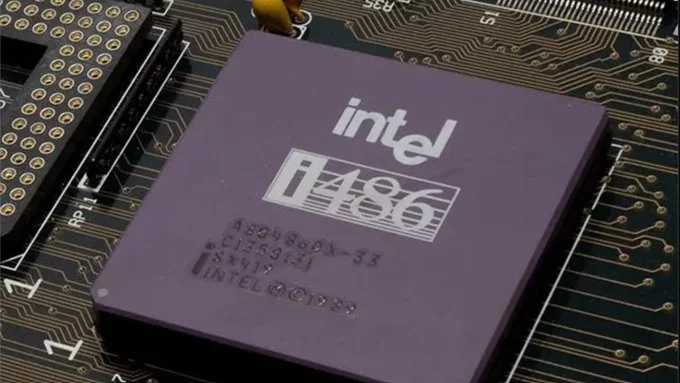
Originally introduced in 1989, the Intel 486 processor once powered early personal computers and played a major role in the evolution of modern computing. Over time, however, advances in hardware and software have made such processors obsolete. The Linux kernel team has now officially decided to move forward without it, signaling a shift toward modern performance priorities.
Why Linux Developers Dropped Intel 486 Support
The removal of Intel 486 support didn’t come as a surprise to many in the tech community. Linus Torvalds, the creator of Linux, made it clear that continuing to support such an old processor offers “zero real reason” in today’s environment. His statement reflects a broader sentiment among developers who prioritize efficiency, security, and maintainability.
Maintaining compatibility with outdated hardware often requires additional code, testing, and debugging. This not only slows down development but also increases the complexity of the Linux kernel. By eliminating Intel 486 support, developers can streamline the system and focus on optimizing performance for modern processors that users actually rely on today.
Kernel Changes Led by Key Contributors
The move to remove Intel 486 support was largely driven by contributions from Ingo Molnar, a prominent Linux kernel developer. He authored patches that removed 486-specific configuration options, effectively ending official support for the aging CPU within the kernel.
These changes simplify the kernel’s architecture and reduce legacy dependencies. For developers working on Linux distributions, this means fewer constraints and a cleaner codebase. It also allows for faster innovation, as engineers can focus on features that benefit current and future hardware rather than maintaining compatibility with outdated systems.
What This Means for Linux Users
For most users, the removal of Intel 486 support will have little to no impact. Modern devices, including laptops, desktops, and servers, rely on far more advanced processors. The Intel 486 has long been considered obsolete, and very few systems still run on it today.
However, for hobbyists, collectors, or those running extremely old hardware, this change means future Linux kernel updates will no longer work on their machines. They may need to stick with older kernel versions or explore alternative solutions. While this may seem like a loss for retro computing enthusiasts, it reflects the natural progression of technology.
A Necessary Step Toward Modernization
Dropping support for legacy hardware is a common step in software evolution. As operating systems grow more advanced, maintaining backward compatibility with decades-old components becomes increasingly impractical. The decision to remove Intel 486 support aligns with Linux’s ongoing efforts to remain efficient, secure, and future-ready.
Modern CPUs offer significantly improved performance, energy efficiency, and security features. By focusing on these advancements, Linux can continue to compete as one of the most powerful and flexible operating systems available. Removing outdated code also reduces potential vulnerabilities, making the system safer for users worldwide.
The End of an Era for Early Computing Hardware
The Intel 486 played a crucial role in shaping the early days of personal computing. Its removal from Linux support marks the end of an era, but also highlights how far technology has come. From basic processing capabilities to today’s multi-core architectures, the evolution has been remarkable.
While nostalgia may surround the Intel 486, its retirement from Linux support is ultimately a practical decision. It allows developers to focus on innovation rather than preservation. As technology continues to advance, similar decisions will likely follow, ensuring that software remains aligned with the needs of modern users.














Comment