Alerts

-
3 minutes, 28 seconds
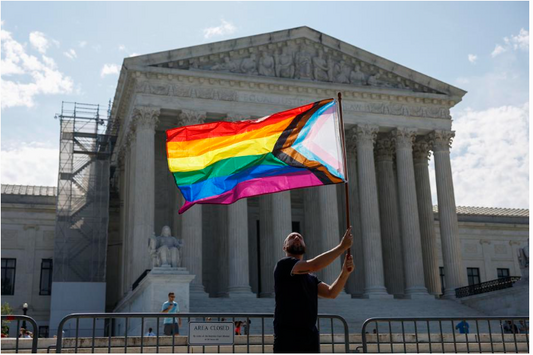
The LGBTQI+ wage gap in America remains a pressing issue in 2025, with recent research shedding light on significant income disparities between LGBTQI+ individuals and their non-LGBTQI+ counterparts. According to a new study by the Center for American Progress (CAP) in collaboration with NORC at the University of Chicago, LGBTQI+ households earn on average 85% less annually than those who do not identify as LGBTQI+. This data has reignited conversations about workplace discrimination, economic inequality, and the structural factors contributing to these persistent wage gaps.
The analysis, which surveyed 3,360 U.S. adults aged 18 and over, found that in 2024, an average LGBTQI+ household earned $12,600 less per year than non-LGBTQI+ households. For transgender and nonbinary individuals, the gap was even more severe, with an average shortfall of $24,800 annually. This income disparity not only affects day-to-day living but also impacts long-term financial security, retirement savings, and overall economic stability for millions of LGBTQI+ Americans.
One of the most troubling aspects revealed by the research is the prevalence of workplace discrimination. Around 25% of LGBTQI+ individuals reported experiencing discrimination at work within the past year, compared to 16% of non-LGBTQI+ workers. Economists Sara Estep and Haley Norris from CAP emphasized that while discrimination alone doesn’t fully explain the wage gap, it is a significant factor, particularly when compounded by sexism, racism, and other forms of systemic bias.
Estep and Norris also pointed to the role of federal policies in either mitigating or worsening these disparities. They highlighted that efforts to defund federal agencies responsible for enforcing anti-discrimination laws—such as those seen during the Trump administration—have left LGBTQI+ individuals even more vulnerable to wage discrimination. Weak enforcement means existing protections often fail to safeguard marginalized workers, threatening their lifelong economic stability, especially for those with intersecting marginalized identities.
Beyond discrimination, age demographics also contribute to the income gap. The study revealed that the median age of LGBTQI+ respondents was 33, compared to 48 for non-LGBTQI+ respondents. With only 7% of LGBTQI+ adults aged 65 or older, the concentration of younger workers—who generally earn less than their older counterparts—further skews the income data. Since earnings typically increase with age and experience, the younger profile of the LGBTQI+ community partially explains the income shortfall but doesn’t diminish the reality of wage inequality.










Comment