
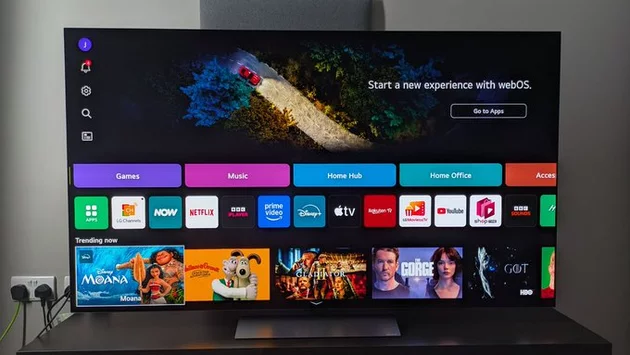
LG TV owners are facing an unexpected change: the latest webOS update automatically installs the Microsoft Copilot app. The catch? The app cannot be removed. For many, this is sparking outrage online, as users question both the necessity of the software and the potential privacy implications. Social media forums, particularly Reddit’s r/mildlyinfuriating, have been buzzing with complaints about this forced update. For those who value control over their devices, it feels like a step too far.
The controversy isn’t just about convenience—users are concerned about their personal data. Microsoft Copilot integrates AI features that may interact with your usage data, raising questions about privacy and consent. Unlike typical app installations, LG has made no option to uninstall or disable Copilot. For many, this mirrors past tech missteps, like Apple’s U2 album debacle, where users were forced to accept content they didn’t want. The frustration is clear: consumers don’t like being told what software must live on their devices.
This update is part of a wider trend among smart TV manufacturers, who are increasingly using firmware updates to add new features or services—sometimes unwanted. LG previously faced backlash for adding screensaver ads in 2024, while Roku and Google TV have experimented with intrusive home-screen advertisements. Adding an AI app like Copilot marks a new stage in this strategy, one that goes beyond advertising into the realm of functional software that can’t be ignored or removed.
AI apps, by nature, require access to data to function effectively. Many users are uneasy about what Copilot might access on their LG TVs, from viewing habits to voice commands. This raises broader questions about informed consent in the smart TV ecosystem. While AI promises convenience, it also brings potential risks, especially when its installation is non-negotiable.
Reddit threads and tech forums are filled with anecdotes from frustrated owners. Common complaints include slowed performance, cluttered home screens, and the inability to opt out. The update is being described as “intrusive” and “unnecessary,” highlighting the tension between manufacturer innovation and user autonomy. Many are warning potential buyers to think carefully before choosing LG if they value device freedom.
Tech analysts suggest that this move is a gamble by LG. While integrating AI may appeal to some consumers, forcing it onto all devices risks alienating a loyal customer base. Experts also note that this could prompt regulatory scrutiny, especially around user consent and data privacy. If handled poorly, LG could face reputational damage similar to previous tech controversies involving mandatory software or features.
LG’s decision may set a precedent for other TV manufacturers. If unremovable AI apps become common, consumers might demand stricter control over firmware updates and pre-installed software. This could spark a broader conversation about how much control companies should have over devices once they are sold. For now, LG users are left weighing convenience against privacy and control—a dilemma that’s likely to define the next era of smart TV experiences.

𝗦𝗲𝗺𝗮𝘀𝗼𝗰𝗶𝗮𝗹 𝗶𝘀 𝘄𝗵𝗲𝗿𝗲 𝗽𝗲𝗼𝗽𝗹𝗲 𝗰𝗼𝗻𝗻𝗲𝗰𝘁, 𝗴𝗿𝗼𝘄, 𝗮𝗻𝗱 𝗳𝗶𝗻𝗱 𝗼𝗽𝗽𝗼𝗿𝘁𝘂𝗻𝗶𝘁𝗶𝗲𝘀.
From jobs and gigs to communities, events, and real conversations — we bring people and ideas together in one simple, meaningful space.




Comments