
Alerts
-
5 minutes, 13 seconds
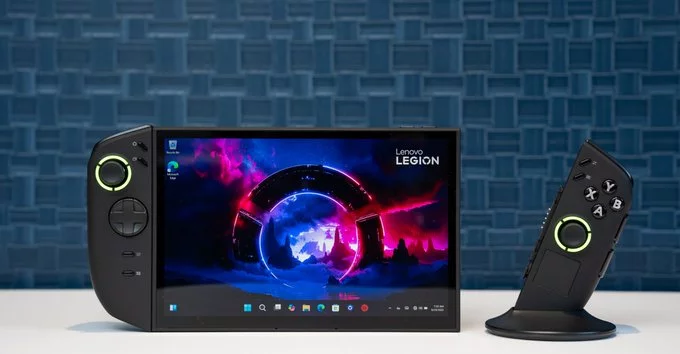
Sticker shock is hitting gamers hard as the Lenovo Legion Go 2 suddenly costs $650 more than expected. If you’re wondering why the price jumped, what “RAMageddon” means, and whether the handheld is still worth buying, here’s the quick answer: a global surge in memory prices is driving up costs across gaming hardware. That spike is now reshaping the handheld gaming market almost overnight.
“RAMageddon” refers to a sharp and widespread increase in the cost of memory components, particularly DRAM. These components are essential for gaming devices, especially high-performance handheld PCs like the Legion Go 2. When RAM prices climb, manufacturers have little choice but to pass those costs onto consumers.
Recent supply chain disruptions and rising demand for AI-focused hardware have tightened the memory market. As a result, devices that rely heavily on high-speed RAM are seeing the biggest price increases. The Legion Go 2, designed to compete at the premium end, is among the hardest hit.
The price hike isn’t random—it’s a direct reflection of rising production costs. The Legion Go 2 was expected to offer strong competition in the handheld gaming space, but the increased RAM pricing has dramatically altered its positioning.
Manufacturers like Lenovo are now dealing with thinner margins or higher retail prices. In this case, Lenovo chose to adjust the price upward rather than compromise on performance specs. That decision keeps the device powerful but makes it significantly less accessible for budget-conscious gamers.
The result is a device that now sits in a much higher price bracket than originally anticipated.
With the new pricing, the Legion Go 2 now costs nearly twice as much as the Xbox Ally X. That comparison is raising eyebrows across the gaming community. For many buyers, the value proposition becomes harder to justify when alternatives exist at a lower price point.
The Xbox Ally X may not match every spec, but its affordability makes it a compelling option. This widening price gap could push gamers to reconsider what they actually need in a handheld gaming device. Performance is important, but so is overall value.
This price surge is not happening in isolation. The entire gaming hardware industry is feeling the pressure of rising component costs. Graphics cards, laptops, and handheld consoles are all experiencing similar trends, though not always as dramatically.
For consumers, this means fewer “budget-friendly” high-performance options. For manufacturers, it creates a difficult balancing act between maintaining quality and staying competitive. The Legion Go 2 situation is simply one of the most visible examples of this broader shift.
Despite the price increase, the Legion Go 2 still delivers premium performance. For enthusiasts who want cutting-edge handheld gaming, it remains a strong contender. However, the decision now depends heavily on budget and priorities.
Gamers looking for maximum performance and portability may still find it worth the investment. On the other hand, those focused on value might explore alternatives or wait for prices to stabilize. Timing could be key, especially if memory costs begin to normalize in the coming months.
The sudden price jump of the Lenovo Legion Go 2 highlights how fragile the gaming hardware ecosystem can be. A single component shortage can ripple across the entire market, reshaping pricing and consumer expectations.
For now, “RAMageddon” serves as a wake-up call. Gamers may need to adjust expectations, while manufacturers rethink pricing strategies. Whether this trend continues or corrects itself will determine the future of premium handheld gaming devices.









Comment