
Alerts
-
5 minutes, 40 seconds
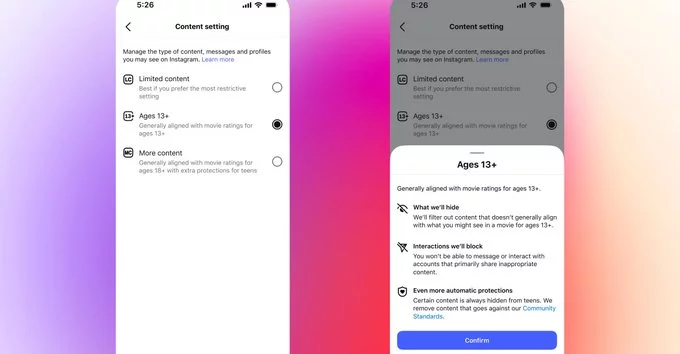
Questions about whether Instagram carries a PG-13-style rating have surged after Meta faced legal pressure over how it described teen safety features. The issue stems from comparisons between Instagram’s content controls and movie-style ratings, which triggered objections from the film ratings authority. Meta has now agreed to revise its messaging, raising fresh concerns about how platforms communicate safety to younger users.
Meta’s decision to “reduce” references to a PG-13 rating marks a notable shift in how the company frames its teen protection tools. While the platform never officially used a formal rating system, its messaging suggested similarities that blurred the line between entertainment standards and social media policies. That distinction has now become central to the debate.
The controversy began when Meta referenced PG-13-style safeguards to describe Instagram’s teen experience. This comparison prompted a cease-and-desist order from the organization responsible for movie ratings, arguing that such language could mislead users and parents.
At the heart of the issue is credibility. Movie ratings follow strict, widely recognized guidelines, while social media platforms rely on evolving moderation systems. By drawing parallels, Meta risked creating confusion about the level of protection offered to teens. Critics argued that the comparison could give parents a false sense of security.
Meta responded by agreeing to scale back the references, signaling a willingness to align its messaging more accurately with industry expectations. The move reflects growing scrutiny around how tech companies communicate safety features.
Instagram has introduced several tools aimed at protecting younger users, including content filters, private account defaults, and time management reminders. These features remain unchanged despite the messaging update, but how they are presented will likely evolve.
Clarity is now the priority. Instead of using familiar entertainment-style labels, Meta is expected to describe its safety measures in more direct and transparent terms. This could improve user trust, especially among parents seeking straightforward information about platform risks.
At the same time, the shift highlights a broader challenge for social media companies. Communicating complex safety systems in a simple way is difficult, and comparisons to well-known standards can be tempting—but risky.
This situation underscores increasing pressure on tech companies to avoid ambiguity in safety claims. Regulators and industry groups are paying closer attention to how platforms market their protections, especially when minors are involved.
For Meta, the change is part of a larger pattern of adjustments driven by external scrutiny. Governments and organizations worldwide are pushing for clearer disclosures and stronger safeguards. As a result, companies are being forced to rethink not just their policies, but also how they talk about them.
The Instagram PG-13 rating dispute serves as a reminder that messaging matters just as much as functionality. Even well-intentioned comparisons can backfire if they create misunderstanding.
For everyday users, the immediate impact may seem minimal, but the long-term implications are significant. More transparent communication could help parents make better decisions about their children’s online activity.
Users should expect updated language within Instagram’s safety guides and possibly within the app itself. These changes will likely focus on explaining features without relying on external analogies like movie ratings.
Looking ahead, this incident could influence how other platforms describe their own safety systems. The push for clearer, more honest communication is gaining momentum, and companies that adapt quickly may build stronger trust with their audiences.
Meta’s agreement to revise its PG-13 references may seem like a small change, but it reflects a deeper shift in digital accountability. As scrutiny intensifies, tech companies are being held to higher standards—not just for what they do, but for how they present it.
The Instagram PG-13 rating controversy highlights a critical lesson: transparency isn’t optional. In a digital landscape where trust is fragile, clear and accurate communication can make all the difference.










Comment