ICEBlock privacy under fire despite developer’s claims
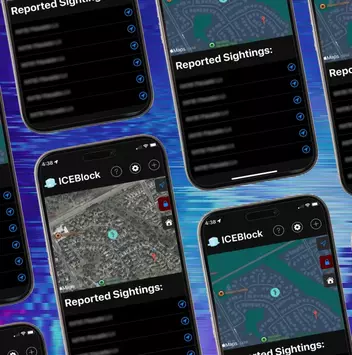
ICEBlock, an iOS-only app designed for anonymously reporting sightings of U.S. Immigration and Customs Enforcement (ICE) officers, has sparked a heated debate over digital privacy. While the app’s developer insists that ICEBlock ensures anonymity by not collecting personal data, critics argue the app isn’t completely anonymous—especially given its reliance on Apple’s iCloud. With privacy-focused users searching for truly secure tools, questions about ICEBlock’s architecture and platform limitations are surfacing, making this app a case study in how difficult true anonymity can be in mobile ecosystems.
ICEBlock developer defends iOS-only design
Created by Joshua Aaron and launched in April 2025, ICEBlock quickly soared to the top of the App Store rankings after U.S. Homeland Security Secretary Kristi Noem publicly criticized it. Responding to rising demand for an Android version, Aaron stated that the app’s architecture—which relies on iCloud and push notifications—makes it impossible to replicate the same privacy standards on Android. This explanation didn’t sit well with privacy advocates, including the developers of GrapheneOS, who accused ICEBlock of spreading misinformation and overstating the privacy protections of iOS.
Experts challenge ICEBlock’s “no data” promise
According to Aaron, ICEBlock uses a single iCloud database to log ICE sightings. When users report a sighting, their geolocation is recorded and used to send alerts to others within a five-mile radius. Though no accounts or personal identifiers are stored, privacy experts argue that relying on iCloud introduces metadata exposure risks. Critics stress that the app’s tight coupling with Apple services contradicts claims of complete anonymity—especially when iCloud itself can retain background user data unbeknownst to app developers or users.
ICEBlock sparks broader privacy debate in mobile apps
The ICEBlock controversy has opened a larger discussion about how anonymous any app can truly be, especially on platforms with built-in cloud dependencies. While Aaron insists that iOS allows for better privacy safeguards than Android, others point to projects like GrapheneOS as proof that Android can be just as, if not more, private when properly configured. Ultimately, ICEBlock is a reminder that users should approach claims of “total anonymity” with skepticism, and that transparency, platform independence, and data minimization are all essential for true privacy-focused applications.














Comment