
Alerts
-
6 minutes, 33 seconds
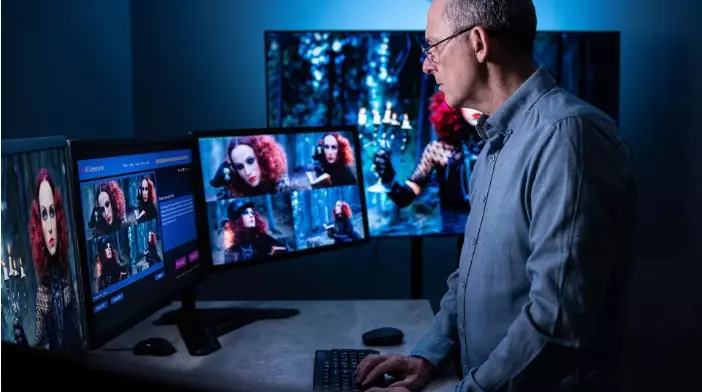
What is ChatGPT Images 2.0, and how does it affect your job today? In simple terms, it’s a major upgrade in AI image generation that allows professionals to create high-quality visuals, slides, and marketing assets in minutes. But the real story isn’t just about better images—it’s about how quickly creative work is being redefined. Early testing shows that this tool can replace hours of manual design work, raising urgent questions about job roles, skills, and long-term career security in the AI era.
ChatGPT Images 2.0 introduces a new level of precision and realism in AI-generated visuals. Unlike earlier tools, it can handle dense text, follow detailed instructions, and maintain consistent design across multiple outputs. It also integrates reasoning capabilities, allowing it to interpret prompts more intelligently. This means users can generate complete visual concepts, not just isolated images. The result is a faster, more intuitive creative process. For many professionals, this eliminates the need for multiple design tools or external support.
To understand its real-world impact, the tool was tested across three common professional tasks: infographic design, job ad creation, and presentation slides. Each scenario revealed a consistent pattern—speed, accuracy, and surprisingly high-quality outputs. Within minutes, the AI produced polished visuals that could realistically be used in business settings. More importantly, it required minimal revisions. This signals a shift from AI as a support tool to AI as a primary execution engine. For everyday professionals, that changes everything.
Creating a data-driven infographic once required design skills, research, and formatting expertise. With Images 2.0, a single prompt can generate a structured, visually appealing infographic complete with labeled sections and clean layouts. This lowers the barrier for thought leaders who want to share insights but lack design resources. It also speeds up content production for marketers and educators. The ability to combine data with design instantly is a major leap forward. As a result, content creation is becoming more accessible and scalable than ever.
One of the most striking results came from generating a job advertisement using a real document. The AI not only extracted key details but also presented them in a compelling visual format without errors. Even more impressive was its ability to adapt content based on location changes, automatically adjusting tone and context. This level of responsiveness hints at a deeper intelligence behind the tool. For recruiters and HR teams, this means faster, more targeted job marketing. It also reduces reliance on multiple tools or external designers.
Perhaps the most disruptive use case is slide creation. A full six-slide marketing deck—with consistent branding, visual storytelling, and high-quality imagery—was generated in under two minutes. Each slide followed a clear narrative, from product introduction to lifestyle positioning. This kind of output would typically require a team effort. Now, it can be done by a single individual with the right prompt. The implications for productivity are significant. Teams can move from idea to execution at unprecedented speed.
Does this mean creative roles are disappearing? Not exactly—but they are evolving fast. The biggest shift is in how much output one person can now produce. AI-native professionals can achieve what previously required entire teams. This is already influencing how companies think about hiring and workforce structure. While demand for creativity remains, the emphasis is shifting away from execution toward higher-level thinking. In practical terms, fewer people may be needed—but with broader, more strategic skill sets.
As AI handles production, human value is moving toward strategy, judgment, and audience understanding. Professionals who can translate business goals into clear creative direction will stand out. It’s no longer enough to know how to design—you need to know what to design and why it works. Understanding customer behavior, brand positioning, and market trends is becoming essential. AI becomes the tool, but humans remain the decision-makers. This shift is redefining what it means to be truly valuable at work.
ChatGPT Images 2.0 is not just another feature—it’s a signal of where work is heading. Entry-level roles focused on execution are already being reshaped, forcing new professionals to rethink their approach. Those entering the workforce must combine creativity with AI fluency and strategic thinking. The gap between those who adapt and those who don’t is widening quickly. In this new landscape, the most valuable professionals are not just creators—they are orchestrators of AI-powered outcomes.









Comment