Alerts

-
4 minutes, 11 seconds
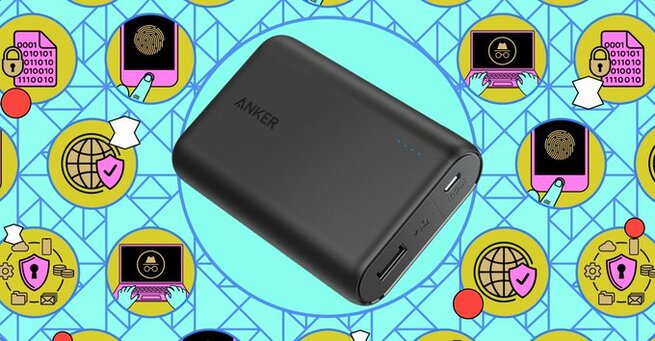
How to Safely Use, Maintain, and Dispose of Power Banks
Power banks are incredibly handy for charging your devices on the go, but they come with responsibilities. If you've ever wondered how to safely maintain, use, or dispose of a power bank, you're not alone. As lithium-ion batteries age, they degrade — and mishandling them can pose serious risks. This guide answers the most common questions about power bank safety, helps you get the most out of your device, and shows you how to dispose of it properly once it’s past its prime.
How to Use Your Power Bank Safely and Extend Its Lifespan
Using your power bank safely starts with buying from a trusted brand. Well-made power banks contain better components and are less likely to suffer from overheating or malfunction. Larger capacity models, like 20,000mAh power banks, typically last longer because the load is distributed across more battery cells. To further extend the lifespan, avoid charging your power bank to 100% or letting it drain completely. Try to keep it charged between 50% and 80%, and never use it while it’s charging. Also, avoid exposing it to extreme heat—such as in a hot car or under direct sunlight—since high temperatures can lead to battery degradation or even fire.
How to Tell if Your Power Bank Is Failing
Even high-quality power banks won’t last forever. Warning signs that your power bank might be failing include swelling, excessive heat, slower charging, or fewer charging cycles. If the device feels unusually hot, takes longer to recharge, or doesn't hold a charge like it used to, it may be time for a replacement. Visibly swollen cases are a red flag—this could be due to internal gas buildup and may eventually cause the unit to burst. Make it a habit to check your manufacturer’s website for product recalls, especially if you own models from brands like Anker or Baseus.
How to Safely Dispose of a Power Bank
Disposing of a power bank correctly is crucial to avoid fire hazards and environmental damage. Never throw power banks in your household trash or standard recycling bin—they can catch fire if crushed. Instead, check with local electronics stores like Best Buy or Staples to see if they offer recycling programs. For recalled or damaged power banks, follow local disposal laws and consult certified facilities. Resources like Earth911, Call2Recycle, and the EPA's Greener Gadgets directory can help you find nearby drop-off points that safely handle lithium-ion batteries.
Staying Safe and Responsible with Power Banks
Maintaining and eventually disposing of your power bank responsibly helps prevent accidents and environmental harm. Always store your power banks in a cool, dry place, and never group them tightly together. Avoid using damaged devices, keep an eye out for signs of aging, and stay updated on manufacturer recalls. Power banks are powerful tools, but with that power comes the responsibility to use and dispose of them properly.









Comment