
Alerts
-
6 minutes, 37 seconds
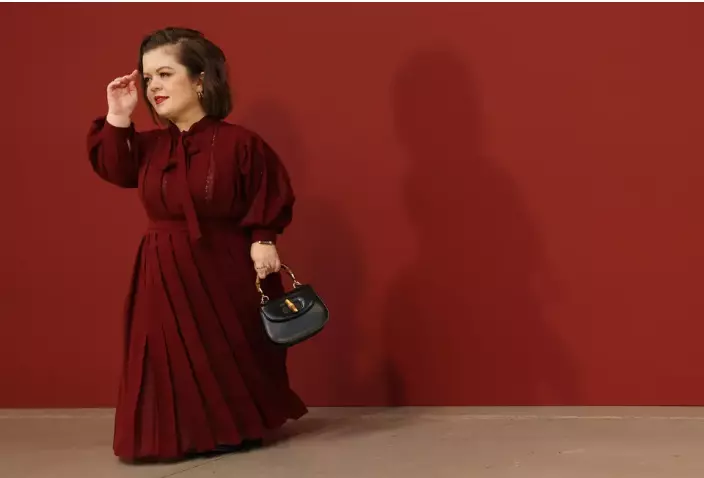
The Met Gala has long been fashion's most exclusive night. But in 2026, activist Sinéad Burke and the Metropolitan Museum of Art changed that. They rewrote who fashion is for by creating an accessible red carpet entrance for Disabled guests. This shift is not just about one event—it's a bold statement that fashion must welcome everyone.
For nearly 20 years, the famous Met steps have been a symbol of glamour. But for Disabled people, those 154 feet of stone were a barrier. The steps are historic, so ramps or lifts weren't allowed. Disabled guests had to use a side door or service elevator—if they could attend at all.
This year, that changed. Sinéad Burke, founder of Tilting the Lens, worked with curator Andrew Bolton and the Costume Institute to create a solution. The result: a flat, step-free entrance under the same tent, with the same cameras, leading to the same galleries.
This isn't a perfect fix, Burke says. But it's real progress. It sets a precedent: next year, and the year after, Disabled designers and models can be invited.
The Met Gala is more than a fundraiser. It's a test of who fashion values. If Disabled talent can't get on the carpet, brands don't sponsor them. They don't get magazine covers, campaigns, or front-row seats. This exclusion creates a cycle that's hard to break.
Now, the structural excuse is gone. A brand can dress a wheelchair-using designer. A young Disabled creative can imagine themselves there. Aspiration is powerful in fashion—and now it's more inclusive.
The exhibition 'Costume Art' (on view through January 2027) includes a section called 'The Disabled Body.' This name was chosen carefully. It's an act of Disability Pride, not pity. The room pairs ancient sculptures of Disabled people with modern fashion pieces, asking: why has the Disabled body been in art for thousands of years but barely in fashion?
For years, museum mannequins all looked the same. Now, 'Costume Art' uses mannequins made from real, varied bodies—including Disabled bodies. Sinéad Burke was scanned in a special rig to create her own mannequin. Each mannequin has a mirror face, so visitors see themselves reflected.
Seeing your body represented is empowering. It shows that there is no single 'normal' body. We are all normal, ideal, and desirable.
Burke's team trained volunteer guides on disability rights, identity-first language, and how to support visitors with different needs. This training is recorded and will be used throughout the exhibition.
Burke donated two pieces from her wardrobe to the Met's permanent archive: a Burberry trench coat and an Alexander McQueen dress. Future designers and scholars can study them. This creates 'legacy memory'—change that lives beyond any one person.
Fashion often treats inclusion as a one-time campaign. This is different. The Met has changed its carpet, its exhibition, its mannequins, its training, and its archive—all at once. It's an invitation that feels real.
To Disabled designers: there is now a section of the collection that names you. To Disabled students: you are welcome. The steps are still there. But the door is open—under the same tent.
Sinéad Burke is founder and CEO of Tilting the Lens. 'Costume Art' is on view at the Met through January 2027.










Comment