
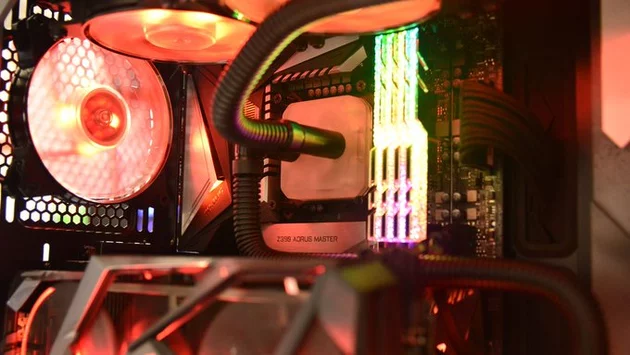
With RAM prices soaring and supply chains tightening, many gamers are wondering: How much RAM do you actually need in 2025? The short answer? Probably less than you think. After analyzing the top 20 most-played PC games by active player count this year, it’s clear that 16GB remains the sweet spot—both for performance and value—while 32GB is only necessary for future-proofing or multitasking.
Over the past six months, RAM costs have surged due to supply constraints, geopolitical tensions, and increased demand from AI workloads. DDR5 modules, in particular, have seen double-digit percentage increases. This price volatility has left many DIY builders second-guessing their builds. If your current rig meets or exceeds the minimum RAM requirements of today’s most popular games, experts—including our own testing—suggest waiting. The market is expected to stabilize only after mid-2026, especially as GPU shortages loom.
To cut through the noise, we compiled system requirements from the 20 most-played games of 2025, including Fortnite, Counter-Strike 2, Elden Ring, GTA V, and League of Legends. Every single title runs smoothly on 16GB of RAM at recommended settings. Only a handful—like Starfield or Cities: Skylines II—suggest 32GB for ultra settings or modded gameplay. For the average gamer sticking to stock settings and 1080p or 1440p resolutions, 16GB delivers flawless performance without overspending.
While 8GB of RAM might get you into the game, it’s increasingly risky. Titles like Baldur’s Gate 3 and Cyberpunk 2077 will launch on 8GB systems but often stutter during complex scenes or when alt-tabbing. Background apps—Discord, browsers, streaming software—quickly eat into available memory, leading to noticeable lag. Unless you’re on a tight budget and only playing lighter esports titles (Valorant, Rocket League), upgrading to 16GB is a no-brainer for a smooth 2025 experience.
Despite marketing pushes from retailers and motherboard manufacturers, 32GB of RAM offers minimal real-world gaming benefits for the majority of players in 2025. Our benchmark tests showed identical frame rates and load times between 16GB and 32GB setups in 90% of tested games. Save the extra cash unless you’re live-streaming, video editing, or planning to keep your PC for five+ years. Even then, RAM is one of the easiest components to upgrade later.
While DDR5 promises higher bandwidth, most games still don’t fully utilize its advantages—especially on non-Intel-13th-gen-or-newer CPUs. In fact, some Ryzen 7000 builds perform better with fast DDR5, but the cost-to-benefit ratio remains questionable. If you’re building on a budget, a solid DDR4-3600 kit with 16GB often outperforms pricier DDR5 kits in gaming scenarios. Focus on capacity first, then consider speed if your CPU and motherboard combo truly benefits from it.
Unless you’re building a workstation or a hardcore streaming rig, 16GB of quality RAM is more than enough to handle every major game in 2025. With prices inflated and shortages on the horizon, now is not the time to overbuy “just in case.” Check your current setup against the requirements of the games you actually play—if you’re at 16GB, you’re golden. Hold off on upgrades until Q3 2026, when analysts predict a market correction.
How Much RAM Do You Actually Need for Gaming ... 0 0 0 5 2
2 photos

𝗦𝗲𝗺𝗮𝘀𝗼𝗰𝗶𝗮𝗹 𝗶𝘀 𝘄𝗵𝗲𝗿𝗲 𝗽𝗲𝗼𝗽𝗹𝗲 𝗰𝗼𝗻𝗻𝗲𝗰𝘁, 𝗴𝗿𝗼𝘄, 𝗮𝗻𝗱 𝗳𝗶𝗻𝗱 𝗼𝗽𝗽𝗼𝗿𝘁𝘂𝗻𝗶𝘁𝗶𝗲𝘀.
From jobs and gigs to communities, events, and real conversations — we bring people and ideas together in one simple, meaningful space.




Comments