
-
9 minutes, 11 seconds
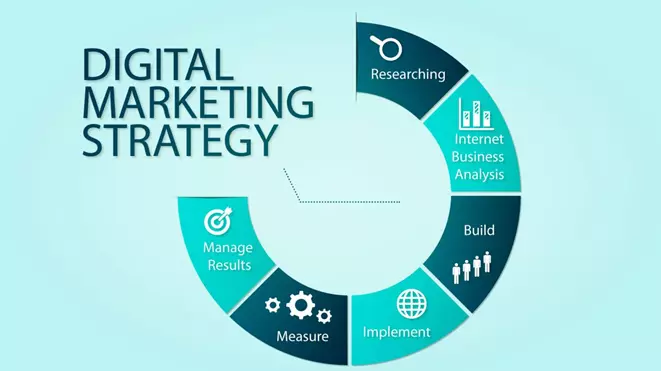
In today’s digital landscape, businesses rely heavily on online platforms to build brand awareness, attract customers, and drive sales. A strong online presence is no longer optional, as consumers increasingly use search engines, social media, websites, and email to discover products and services. Without a structured strategy, businesses may struggle to reach the right audience or achieve measurable results. This is where an online marketing plan becomes essential.
An online marketing plan provides a roadmap for achieving business goals through digital channels. It helps organizations define objectives, identify target audiences, allocate resources, and measure campaign performance effectively. Whether for startups or established businesses, a well-designed marketing plan ensures consistency and improves overall campaign efficiency. Learning these strategies through a Digital Marketing Course in Chennai helps professionals understand modern marketing tools, analytics, and campaign management techniques.
An online marketing plan is a structured strategy that outlines how a business will promote its products or services using digital channels.
It typically includes:
Business goals
Target audience identification
Marketing channels
Content strategy
Budget allocation
Performance measurement
A clear plan helps businesses align their digital efforts with organizational objectives.
Instead of running disconnected campaigns, companies can focus on coordinated activities that improve customer engagement and conversions.
A successful online marketing plan combines creativity, data analysis, and strategic execution.
The first stage in developing an internet marketing strategy is to establish clear and quantifiable goals.
Marketing goals may include:
Increasing website traffic
Generating leads
Improving brand awareness
Driving online sales
Growing social media followers
Improving customer retention
Goals should be specific and realistic.
For example, instead of saying “increase traffic,” a clearer goal would be “increase website traffic by 25% in six months.”
Well-defined goals help businesses measure progress accurately and make better decisions.
Understanding the target audience is essential for effective marketing.
Companies should research their ideal clientele.
Important audience factors include:
Age
Gender
Location
Interests
Purchasing behavior
Pain points
Customer personas can help businesses understand audience needs more clearly.
A customer persona is a fictional profile representing an ideal customer segment.
Knowing the audience helps businesses create relevant messaging, select suitable platforms, and improve campaign effectiveness.
Market research helps businesses understand industry trends, customer expectations, and competitor strategies.
Organizations should analyze competitors by reviewing:
Website content
SEO performance
Social media activity
Paid advertising strategies
Content marketing efforts
This helps identify opportunities and gaps.
Competitor analysis is not about copying others but learning what works in the market.
Professionals often develop these analytical skills through a Best Training Institute in Chennai, where digital marketing research methods and practical campaign analysis are commonly covered.
Not every platform suits every business.
Choosing appropriate marketing channels depends on audience behavior and business goals.
Common online marketing channels include:
SEO increases a website's exposure in search engine results.
Businesses optimize content, keywords, website structure, and backlinks to improve rankings.
Organic traffic from SEO is cost-effective and sustainable.
Platforms such as social media channels help businesses engage audiences, promote content, and build brand communities.
Social media is useful for both awareness and customer interaction.
Content marketing focuses on creating valuable materials such as:
Blog posts
Videos
Infographics
Guides
Case studies
High-quality content improves SEO, authority, and audience trust.
Email campaigns help nurture leads and retain customers.
Businesses can share promotions, newsletters, updates, and personalized recommendations.
Paid ads help businesses achieve faster visibility.
Common options include:
Search ads
Display ads
Social media ads
Video ads
Paid campaigns allow precise audience targeting and measurable performance.
A key component of successful web marketing is content.
Businesses should create content aligned with customer needs and search intent.
A content strategy should define:
Content topics
Publishing schedule
Distribution channels
Content formats
Consistency is important.
Publishing useful and relevant content regularly improves engagement and brand credibility.
A strong content strategy supports SEO, lead generation, and audience retention.
Budget planning ensures efficient resource allocation.
Businesses should estimate spending for:
Paid advertising
Content creation
SEO tools
Email platforms
Design software
Marketing automation tools
Budget allocation should align with business priorities.
Startups may focus on lower-cost channels such as SEO and content marketing, while larger businesses may invest more heavily in paid campaigns.
Tracking spending helps optimize return on investment.
Marketing automation improves efficiency by reducing repetitive manual tasks.
Automation tools can help with:
Email scheduling
Lead nurturing
Social media posting
Customer segmentation
Reporting
Automation saves time and improves campaign consistency.
It also enables businesses to scale marketing activities more effectively.
Modern digital marketers benefit from learning these automation tools through structured training environments.
Measuring campaign performance is essential for continuous improvement.
Businesses should track metrics such as:
Website traffic
Conversion rates
Click-through rates
Bounce rates
Engagement rates
Cost per acquisition
Analytics tools help identify which campaigns are performing well and which require improvement.
Data-driven decision-making improves marketing efficiency and reduces wasted effort.
Regular reporting ensures campaigns remain aligned with business objectives.
Online marketing is not a one-time activity.
Consumer behavior, platform algorithms, and market trends constantly change.
Businesses should regularly optimize campaigns by:
Updating content
Testing ad creatives
Refining audience targeting
Improving landing pages
Analyzing competitor changes
Continuous optimization improves long-term performance.
Testing different approaches helps identify effective strategies.
Marketing plans should support broader business goals.
For example, if a business focuses on customer retention, marketing campaigns should emphasize loyalty programs, email engagement, and personalized communication.
Strategic alignment ensures marketing contributes directly to growth objectives.
This business-oriented thinking is also emphasized in a Business School in Chennai, where decision-making, market analysis, and customer strategy are often studied.
Businesses creating online marketing plans should avoid common mistakes such as:
Undefined goals
Ignoring audience research
Overusing too many channels
Inconsistent content publishing
Poor analytics tracking
Lack of budget planning
Avoiding these issues improves campaign effectiveness.
A focused and measurable approach delivers stronger results.
Creating a successful online marketing plan requires clear goals, audience understanding, channel selection, content strategy, budget planning, and continuous optimization.
Businesses that follow a structured marketing roadmap can improve visibility, attract qualified leads, and strengthen customer relationships.
Digital channels provide powerful opportunities, but success depends on strategic execution and consistent analysis.
As competition continues growing online, businesses with strong marketing plans are better positioned to achieve sustainable growth, improve brand presence, and respond effectively to evolving customer behavior.


7.9K articles

2.6K articles

1.4K articles

34 articles









Comment