Alerts

-
3 minutes, 11 seconds
Emotional intelligence (EI) is no longer a soft skill—it's a performance skill. And now, artificial intelligence (AI) is helping leaders develop EI right in the flow of work, without extra training sessions or costly coaching programs. By using AI tools, leaders can practice high-EI conversations, get real-time feedback, and build stronger relationships with their teams.
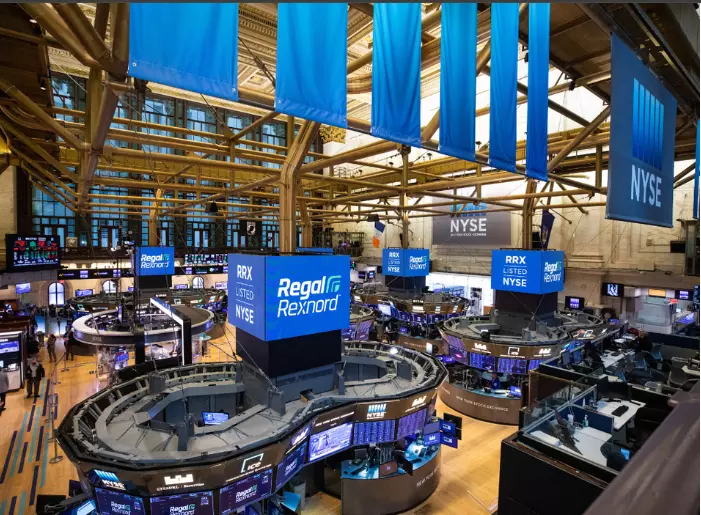
At Regal Rexnord, a global manufacturing company with 30,000 employees, emotional intelligence is treated as a core performance skill. Kriste Goldsmith, senior director of leadership development, explains: “EI is at the backbone of our ‘Leads with Impact’ leader imperative.” Leaders who understand themselves, build trust, and navigate tough conversations can drive change and sustain performance—even during uncertainty.
Most frontline leaders don’t get personalized coaching. It’s too expensive and time-consuming to give every manager individual guidance. But AI changes that. “The breakthrough with AI isn’t creating more content,” says Goldsmith. “It’s creating more individualized development.” AI can adapt to a leader’s strengths, gaps, role, and immediate context—making learning personal and timely.
Goldsmith’s team is piloting AI that nudges leaders in Microsoft Teams before important moments—like a development meeting or a tough one-on-one. The AI offers coaching tips and reminders to help the leader show up with clarity and emotional intelligence. “We’re moving toward proactive skilling and coaching in the flow of work for every leader,” she says.
Instead of treating leadership development as a series of events, AI helps connect performance data, development goals, and coaching into one continuous experience. For example, before a coaching conversation, AI can surface an employee’s SMART goals and recent feedback. This helps leaders walk into conversations prepared, not cold.
AI also improves measurement. Instead of just tracking completion rates, leaders can see if behaviors actually changed and if those changes improved outcomes for employees and the business. This creates a positive feedback loop where learning and performance feed each other.
One of the most practical uses of AI is in simulations. Many leaders avoid hard conversations because they fear getting it wrong. AI simulations offer a safe, low-risk space to practice. At Regal Rexnord, leaders use an AI simulation to practice a conversation about company values. The AI evaluates how well they set expectations and communicate, and gives feedback on emotional intelligence.
For example, if a leader explains a project but ignores the employee’s concerns, the AI might point out that the employee didn’t feel safe or confident. The leader can then practice again and improve their score.
Goldsmith is clear: “AI can’t create empathy, build trust, or lead with courage. It is not a replacement for emotional intelligence and great leadership.” Instead, AI is an enabler. It helps leaders prepare, practice, get feedback, and reflect—right when they need it most.
The real promise of AI for emotional intelligence is simple: it helps managers apply EI skills more consistently, in real moments that matter. With AI as a coach in their pocket, every leader can grow their EI—without leaving their desk.










Comment