Honda Reusable Rocket Reaches New Heights in Space Exploration
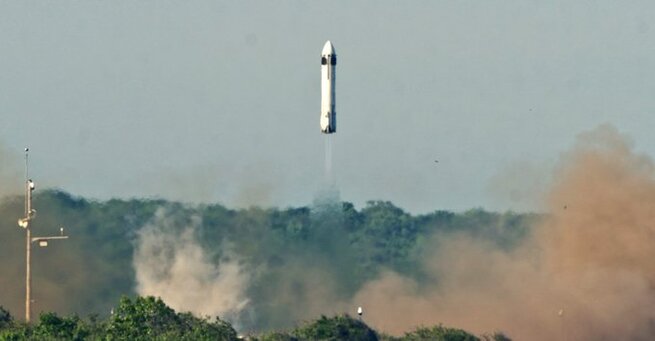
Honda has made headlines with the successful launch and landing of its experimental honda reusable rocket, a breakthrough moment in its quiet but ambitious journey into space technology. During a recent test at a facility in Taiki Town, Japan, the rocket reached an altitude of 890 feet before making a precise landing just 14 inches from its target. This test flight lasted 56.6 seconds and marked Honda's first fully controlled descent and touchdown. The company’s R&D team utilized existing technologies from its automotive innovations, such as automated driving systems, to create this vertical takeoff and landing (VTOL) spacecraft.
Why Honda Is Entering the Reusable Rocket Race
Honda's venture into reusable rockets may seem unexpected, but it aligns with the rising demand for compact and cost-effective satellite deployment. The honda reusable rocket project supports Honda’s broader goal of building a comprehensive mobility ecosystem that includes ground, air, and space. The success of this launch also places Honda alongside a new wave of non-traditional space players entering the market, including legacy automakers exploring aerospace. While the rocket is still in the research phase, Honda sees potential benefits for its core businesses, especially with data-reliant services like autonomous driving and global connectivity.
Technology Behind Honda’s Reusable Rocket
What sets the honda reusable rocket apart is its ability to land using four retractable legs—technologies adapted from Honda’s robotics and vehicle stability control systems. At nearly 21 feet tall and over 2,800 pounds, the rocket was designed for efficient vertical launch and recovery, a concept proven by private aerospace giants like SpaceX and Blue Origin. Honda's test system isn’t capable of reaching orbital heights yet, but its development goal is to achieve suborbital flight—roughly 62 miles above sea level—by 2029. That would allow short, high-altitude missions that return to Earth without completing a full orbit.
What’s Next for Honda's Space Ambitions
Although Honda hasn’t confirmed commercial plans for its honda reusable rocket, the progress points toward long-term strategic interests in satellite launches and space-based data services. The successful test solidifies Honda's technical capabilities and marks an important milestone toward its 2029 suborbital flight objective. Reaching that milestone could pave the way for partnerships with agencies like JAXA or commercial collaborations across Asia. As Honda balances innovation with feasibility, its spaceflight future depends on funding, market demand, and how fast it can scale the technology to compete with established spaceflight providers.












Comment