
Alerts
-
4 minutes, 30 seconds
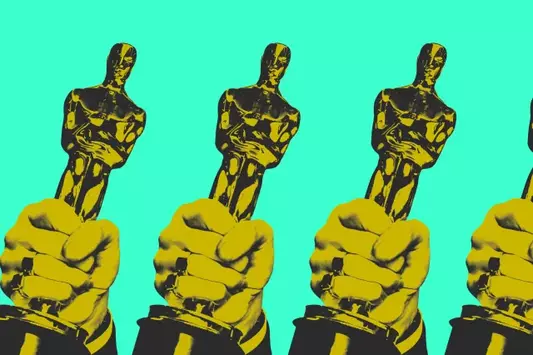
OpenAI’s new creative tools have left the entertainment industry scrambling. Hollywood has no idea what to do about AI, and it’s starting to show in boardrooms, film sets, and executive summits across Los Angeles.
At OpenAI DevDay, CEO Sam Altman introduced Sora, a new AI-powered video generation app designed to help creators make cinematic content from text. He described it as a “gift to content creators,” comparing the technology to a new era of fanfiction and fan-generated storytelling.
“Creators and rights holders are very excited about the potential,” Altman said in San Francisco. “They believe it will deepen connection.”
Meanwhile, in Los Angeles, top studio executives gathered at Bloomberg’s Screentime event to discuss the very same technology — but with visible unease. As Sora soared past 1 million downloads, it became clear that while Silicon Valley is accelerating, Hollywood is paralyzed by uncertainty.
The divide between Hollywood and Silicon Valley has never been wider. On one side, AI developers like OpenAI are building tools that democratize filmmaking. On the other, media executives are still clinging to old rules of copyright and creative control.
Paramount Skydance CEO David Ellison called AI a “new pencil” for artists — a tool for creativity, not replacement. Yet few in Hollywood seem ready to embrace that vision. Instead, they repeatedly stress “we care about copyright,” as if repeating it could protect them from disruption.
At Screentime, the copyright debate took center stage. Studio heads avoided acknowledging the elephant in the room — that OpenAI trained its models on Hollywood’s intellectual property without explicit permission.
It’s a moral and legal gray area that leaves creators torn. Should they fight to protect old systems, or learn to coexist with AI-generated storytelling? The answer, for now, seems to be confusion and denial.
What’s unsettling Hollywood most is speed. OpenAI is pushing the boundaries of creative AI faster than any studio can respond. From generating scripts to producing hyperrealistic visuals, AI is erasing the line between human and synthetic creativity.
If studios don’t adapt, they risk being overshadowed by independent creators using AI tools to produce blockbuster-quality content at a fraction of the cost. As one producer put it off-record, “It feels like watching the internet hit the music industry — all over again.”
Hollywood’s paralysis highlights a deeper problem: the industry’s reluctance to innovate. Instead of fearing AI, studios could collaborate with developers to establish ethical frameworks and creative standards for this new era of entertainment.
AI doesn’t have to replace directors, writers, or artists — it can amplify them. But unless Hollywood acts fast, it will lose its creative monopoly to the very algorithms it fears.
Right now, Hollywood has no idea what to do about AI, but the clock is ticking. As OpenAI and other tech giants redefine storytelling, the entertainment industry faces a pivotal choice: evolve or be left behind.







Comment