Alerts

-
4 minutes, 56 seconds
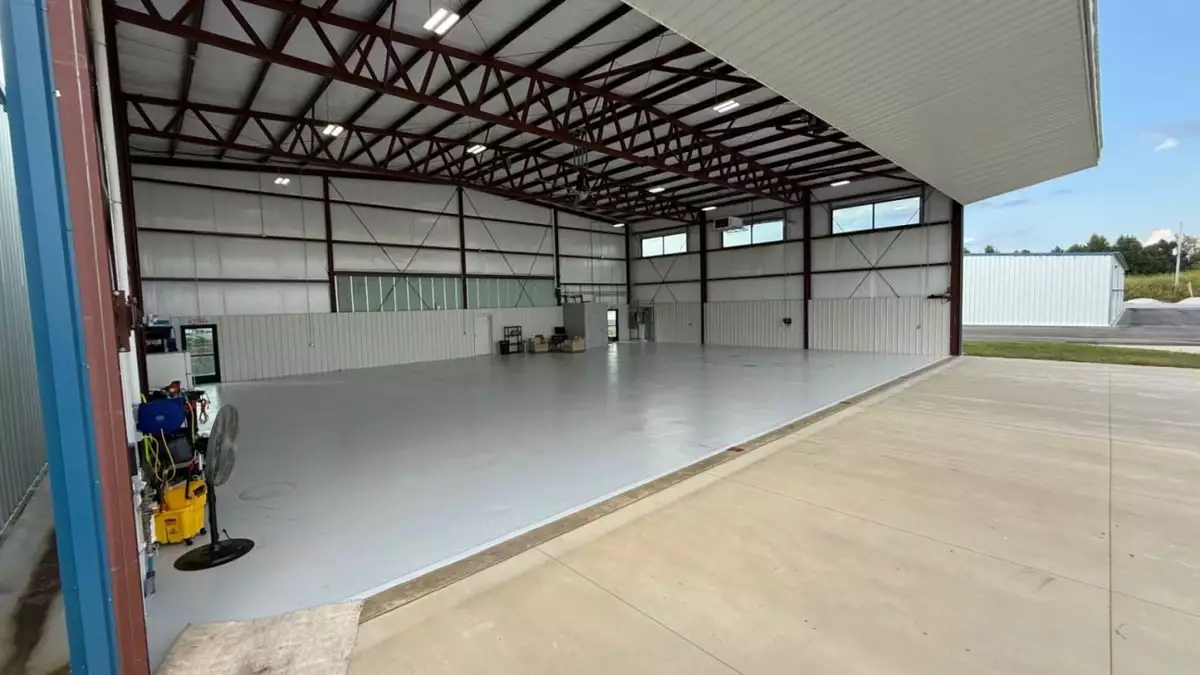
For aircraft owners, choosing the right storage location is an important part of managing an aircraft. A suitable hangar airport location can provide convenient access to runways while helping protect an aircraft from weather and outdoor exposure. Whether an owner needs a small private space, a T-hangar, a box hangar, or a larger commercial facility, the airport and surrounding aviation environment can make a significant difference.
With aircraft hangars available for both sale and rent across the United States, aviation property searches can involve many factors beyond the advertised price. HangarTrader provides an online marketplace where aircraft owners can search for hangars and explore aviation real estate opportunities.
The location of an airport hangar can influence convenience, operating costs, aircraft accessibility, and long-term property value. An airport close to an owner's home or business may reduce travel time and make it easier to access the aircraft regularly.
However, proximity is only one consideration. Owners should also evaluate runway facilities, airport operating hours, available services, surrounding airspace, fuel availability, maintenance providers, and local hangar demand.
A smaller regional airport may offer affordable hangar options, while a busy metropolitan airport may provide greater convenience but have higher prices and limited availability.
Aircraft owners can encounter several types of hangar facilities when searching for airport-based storage.
T-hangars are commonly associated with general aviation aircraft and are designed to provide individual aircraft storage. They can be a practical option for pilots who need a dedicated space without the size of a large commercial facility.
Box hangars provide a more open interior layout. Depending on their size, they may accommodate larger aircraft, multiple aircraft, vehicles, tools, or additional aviation equipment.
Executive hangars can offer enhanced space and amenities for aircraft owners who want more than basic storage. Some may include offices, workshops, storage areas, or other improvements.
Commercial hangars are designed for larger aviation operations and can support businesses, aircraft maintenance, charter operations, corporate aviation, and other uses.
The right choice depends on the aircraft, intended use, available budget, and airport requirements.
One of the first decisions an aircraft owner must make is whether to purchase or rent.
Renting an airport hangar can provide flexibility. It may be appropriate for an owner who does not want to make a substantial property investment or who expects to change airports in the future. Rental arrangements can also allow an aircraft owner to evaluate an airport before committing to a purchase.
Buying a hangar can provide greater long-term control over the property. Depending on the ownership structure, the purchase may also become an aviation real estate investment.
However, buyers should carefully review whether the hangar includes ownership of the underlying land or is located on leased airport property. Ground lease terms, remaining lease duration, airport regulations, association fees, taxes, maintenance responsibilities, and transfer requirements can all affect the overall value of the property.
An attractive listing does not automatically mean the property is suitable for every aircraft. Before choosing an airport hangar, owners should verify the dimensions of the building and entrance.
Aircraft wingspan, tail height, fuselage length, propeller clearance, and door dimensions should all be considered. Owners may also want additional space around the aircraft for equipment, tools, vehicles, or maintenance activities.
The condition of the building is another important consideration. Buyers and renters can evaluate the roof, doors, electrical systems, lighting, drainage, ventilation, flooring, insulation, and other structural or operational features.
For properties in areas with challenging weather, structural design and protection from wind, snow, rain, and extreme temperatures can also be important.
A hangar is only one part of the airport experience. Aircraft owners should consider the services available at the airport before committing to a property.
Depending on the location, useful services may include:
Aircraft maintenance
Fuel services
Flight schools
Aircraft management
FBO facilities
Parts and repair providers
Pilot amenities
Aircraft detailing
Ground transportation
Avionics services
Having these services nearby can make aircraft ownership more convenient and potentially reduce the time required for routine operations.
Airport properties can have rules that differ from conventional real estate. Airport authorities, municipalities, property associations, and landlords may impose requirements concerning hangar use, construction, access, maintenance, insurance, and aircraft operations.
Owners should review the applicable rules before purchasing or leasing a property. Some airports may also have specific requirements for improvements, subleasing, commercial activities, or transferring a hangar to another owner.
Understanding these requirements in advance can help prevent unexpected complications.
The search for an hangar airport property can become easier when aircraft owners have access to current listings in multiple markets. HangarTrader has connected aircraft owners with hangar space since 2001 and operates a dedicated marketplace for buying, selling, and renting aircraft hangars.
Current HangarTrader listings include private, executive, commercial, T-hangar, and larger aviation facilities in locations across the United States.
The platform also provides aviation-related resources covering realtors, financing, insurance, manufacturers, builders, escrow, FBOs, and other hangar services.
For aircraft owners, this creates an opportunity to research both the property itself and the services that may be needed throughout the ownership process.
Finding the right airport hangar requires more than choosing the closest available building. Aircraft owners should consider location, aircraft dimensions, airport facilities, ownership terms, pricing, building condition, accessibility, and future needs.
Whether you are searching for a hangar to rent, purchasing aviation property, or considering a larger facility for your business, comparing multiple opportunities can help you make a more informed decision.
HangarTrader makes it easier to explore aircraft hangars for sale and rent while providing access to additional aviation real estate resources. Start your search by visiting the Hangar Trader.
Contact Hangar Trader today for aircraft hangar and aviation property solutions.
☎️ CALL HANGAR TRADER: 888-357-8007



Comment