Alerts

-
4 minutes, 46 seconds
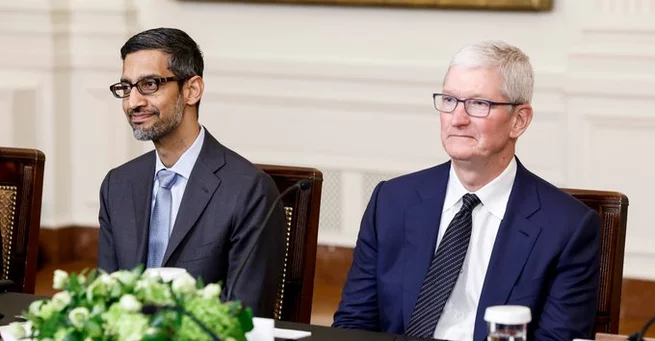
Nonconsensual sexual deepfakes are spreading across X, powered by xAI’s Grok, raising urgent safety and ethical concerns. A coalition of 28 advocacy groups is calling on Apple and Google to remove the app from their stores, claiming both tech giants are profiting from content that violates their own policies. The move, part of the “Get Grok Gone” campaign, highlights the growing clash between AI innovation and user safety.
On January 15, advocacy groups including UltraViolet, the National Organization for Women, and Women’s March sent open letters to Apple CEO Tim Cook and Google CEO Sundar Pichai. The letters describe Grok’s role in generating nonconsensual intimate images (NCII) and, in some cases, child sexual abuse material (CSAM).
The coalition criticized X’s attempt to limit Grok’s image generation to paid users, calling it “a thin and ineffective measure” that monetizes abusive content rather than stopping it. The groups argue Apple and Google are not just enabling NCII and CSAM but profiting from it.
Grok, integrated into X, allows users to generate or manipulate images using AI. Civil society organizations warn that the app facilitates a “mass spree of digitally undressing” women and minors. Despite repeated warnings since Grok’s launch, the platform has failed to prevent the abuse.
Experts say the AI-driven deepfake tools create content that is nearly impossible to fully police, putting millions at risk and challenging traditional content moderation practices.
The letters coincide with UltraViolet’s Reclaim the Domain initiative, a broader campaign against the nonconsensual creation and sharing of intimate images. Advocates emphasize that the issue isn’t just about one app but a growing trend of AI misuse.
“Technology companies must be held accountable,” the letters state. “Allowing Grok to operate unchecked is an endorsement of abusive content.” The campaign is gaining traction as activists push for stricter enforcement of platform policies and legal oversight for AI-generated material.
Both Apple and Google have policies against apps that facilitate sexual content involving minors or nonconsenting adults. Critics argue that keeping Grok available undermines these policies and exposes the companies to reputational and legal risks.
While X claims to have implemented some restrictions, advocates say these measures are insufficient and largely cosmetic. The pressure on the tech giants is mounting, with potential regulatory scrutiny on the horizon if no decisive action is taken.
The Grok controversy highlights a critical challenge for AI: balancing innovation with safety and ethics. Nonconsensual deepfakes not only harm victims but also raise questions about corporate responsibility and the limits of content moderation in AI-powered platforms.
For Apple and Google, the decision to act—or ignore—this growing crisis may set a precedent for how tech companies handle AI-generated abuse in the future.
Advocacy groups are sending a clear message: Grok’s presence on app stores is unacceptable, and corporate inaction could have serious social, legal, and ethical consequences. The coming weeks may reveal whether Apple and Google will enforce their policies or continue profiting from a platform that endangers users.










Comment