Google Nuclear Fusion Deal Faces a 2030 Deadline It Can't Meet
Google is making headlines with a bold bet on nuclear fusion power, striking a deal with Commonwealth Fusion Systems (CFS) to purchase 200 megawatts of future carbon-free electricity. The google nuclear fusion deal represents a high-stakes move toward long-term sustainability. But there’s a catch—fusion technology won’t be ready soon enough to help Google meet its pressing 2030 climate targets. Despite its clean energy promises, Google’s carbon emissions have continued to rise, largely due to the growth of AI infrastructure. While this investment signals confidence in the future of fusion, it’s a long-term play—not a near-term solution.
Why Google Is Investing in Fusion Energy
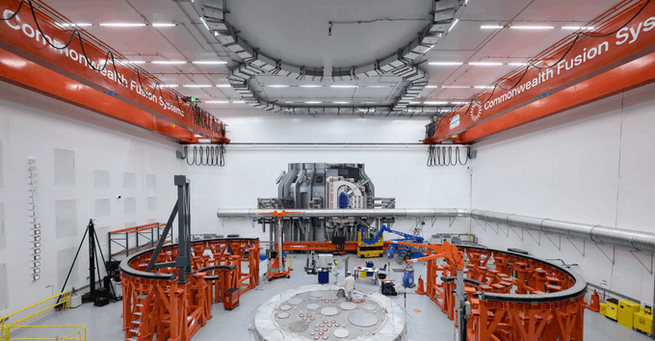
The tech giant’s agreement with CFS aligns with its ambition to power data centers with carbon-free energy. The google nuclear fusion deal also reflects Google's role as both a customer and investor in clean tech innovation. CFS is currently developing its first fusion plant in Massachusetts, aiming to connect to Virginia’s power grid—close to AI-heavy “data center alley”—by the early 2030s. However, the fusion timeline remains uncertain. While Google positions this move as future-focused, critics argue it’s more symbolic than impactful in the short term, especially since net energy gain in fusion was only first achieved in 2022.
The Science and Struggle Behind Nuclear Fusion
Unlike today’s fission-based nuclear power, fusion works by replicating the process powering our sun—merging hydrogen atoms at extreme temperatures to release energy. It’s considered the holy grail of clean energy because it doesn’t emit carbon or produce long-lasting radioactive waste. Yet, achieving controlled fusion on Earth requires conditions hotter than the sun, a challenge that has long delayed commercialization. Despite decades of research and billions in private funding, including from Google and Microsoft, scalable fusion remains years—if not decades—away. That makes the google nuclear fusion deal more about promise than practical results.
Google’s Climate Goals vs. Reality
Back in 2021, Google pledged to cut its greenhouse gas emissions by 50% before 2030. But its latest sustainability report reveals emissions have increased more than 50% since 2019, largely due to its massive AI expansion. While the 200MW fusion deal sounds impressive, it’s just a fraction of the over 22,000MW of clean energy Google has contracted since 2010—mostly from wind and solar. As such, the google nuclear fusion deal isn’t a quick fix for Google’s carbon footprint. Instead, it’s a strategic investment in what could someday become a game-changing energy source—if fusion ever proves commercially viable.














Comment