Alerts

-
4 minutes, 9 seconds
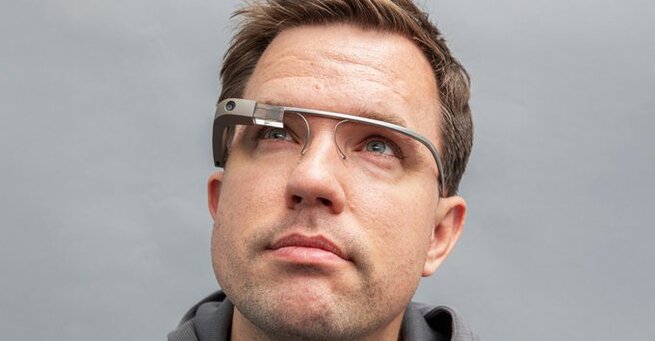
Google Glass captured imaginations when it first arrived, offering a glimpse of a world where computers were everywhere—but never in your hands. Launched 13 years ago, these smart glasses promised to change how people interact with technology. Instead, they became a cultural lightning rod. Some saw innovation; others saw privacy nightmares. Understanding why Google Glass succeeded in concept but stumbled in practice helps us see both the potential and pitfalls of wearable tech.
At its core, Google Glass was a marvel. It allowed users to check notifications, take photos, and access information without reaching for a phone. This hands-free interface was revolutionary in a world increasingly glued to screens. Early adopters praised its convenience, and tech enthusiasts imagined entirely new ways to work, learn, and play. Glass was proof that wearable computing wasn’t just science fiction—it could be real, practical, and sleek.
But innovation came with a price. Many people reacted negatively to the idea of a camera constantly pointed at them. “Glassholes,” as critics called them, became the symbol of intrusive technology. Public spaces suddenly felt surveilled, and social etiquette struggled to catch up. Google hadn’t just created smart glasses—they had created a conversation about boundaries in a tech-saturated world.
Despite the backlash, Google Glass influenced more than just tech enthusiasts. It sparked debates in offices, classrooms, and cafes about how society should embrace—or resist—wearable devices. The concept of augmented reality entered mainstream consciousness, and competitors rushed to explore their own smart eyewear. Glass became a cultural milestone, teaching designers and engineers important lessons about user experience and social acceptability.
The product also stumbled commercially. Price, limited functionality, and a steep learning curve turned curiosity into frustration. Glass struggled to find a market beyond early adopters, and Google’s own messaging often felt confusing. In retrospect, the device highlighted a gap between technological potential and everyday practicality, showing that innovation alone isn’t enough to guarantee success.
For today’s tech makers, Google Glass offers a roadmap of what to emulate—and what to avoid. Success lies in balancing advanced features with social comfort and affordability. Wearables must be useful, intuitive, and socially acceptable. Companies developing augmented reality glasses today are clearly learning from Glass’s missteps, striving for a product that excites without alienating.
Even though Google Glass never became a household item, its legacy lives on. It reshaped conversations about augmented reality, wearable tech, and digital etiquette. For innovators, it’s a reminder that the best ideas sometimes arrive before the world is ready. Glass may have faltered commercially, but it proved that technology can inspire dreams—and controversies—on a global scale.









Comment