
Alerts
-
4 minutes, 45 seconds
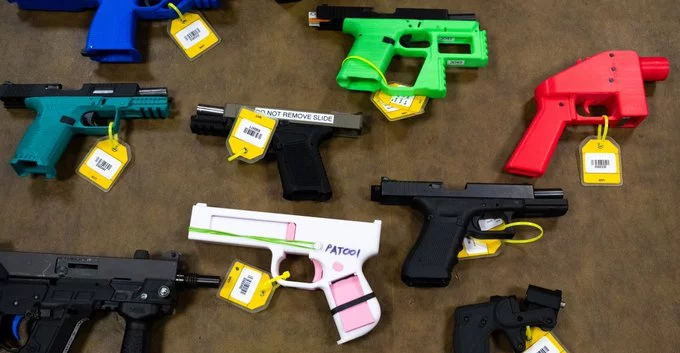
New York lawmakers are considering new restrictions aimed at 3D printer manufacturers in an effort to prevent the creation of untraceable firearms often referred to as ghost guns. These weapons, which can be assembled at home using printed parts, have raised growing public safety concerns following reports linking them to high-profile violent incidents. The proposed measures seek to require stricter controls, software safeguards, and monitoring systems. The debate is intensifying as officials weigh innovation in manufacturing against the need for stronger gun safety protections.
The discussion around ghost guns has escalated as 3D printing technology becomes more accessible to consumers. Lawmakers argue that digital firearm files can be shared online and used to manufacture weapons without serial numbers or traditional regulation. This makes it difficult for law enforcement to trace weapons used in crimes. Supporters of regulation say the technology is evolving faster than existing laws can adapt. Critics, however, warn that overly strict rules could limit legitimate uses of 3D printing in engineering and education.
Recent events in New York have brought renewed attention to the issue after reports that a major corporate executive was allegedly killed using a 3D-printed firearm and silencer. While investigations are ongoing, the case has intensified political pressure for reform. Lawmakers are now exploring ways to require manufacturers of 3D printers to include built-in restrictions that prevent the production of weapon components. These proposals are part of a broader push to address gaps in existing firearm regulations.
Under the proposed framework, 3D printer companies could be required to implement digital safeguards that detect and block the printing of firearm-related designs. This might include software filters, restricted file recognition, or mandatory reporting mechanisms. Advocates believe such measures could significantly reduce the spread of untraceable weapons. However, industry representatives argue that enforcing these systems may be technically challenging and could raise privacy concerns for users. The balance between innovation and safety remains a central issue.
The growing debate highlights a broader tension between technological innovation and public safety. Supporters of regulation emphasize the need to prevent misuse of advanced manufacturing tools. They argue that early intervention could stop dangerous trends before they expand further. Opponents, however, caution against placing responsibility solely on manufacturers, suggesting that enforcement should focus on illegal distribution networks instead. The conversation reflects a wider national struggle to adapt legal frameworks to emerging technologies.
As discussions continue, New York lawmakers are expected to refine their proposals and engage with industry stakeholders. Any final legislation will likely face legal and technical scrutiny before implementation. Meanwhile, other states are watching closely, considering whether similar measures could be adopted nationwide. The outcome of this debate may shape how 3D printing technology is regulated in the future, especially in relation to public safety concerns and firearm control efforts.
Policy outlook suggests the ghost guns debate will likely extend beyond New York, influencing federal discussions on 3D printing oversight. Experts say coordinated standards could emerge if states align on safety requirements for manufacturers. Law enforcement groups continue to push for stronger prevention tools, while civil liberties advocates stress caution. The final outcome may redefine how emerging manufacturing technologies are governed in the United States over the coming decade and beyond overall.









Comment