
-
5 minutes, 34 seconds
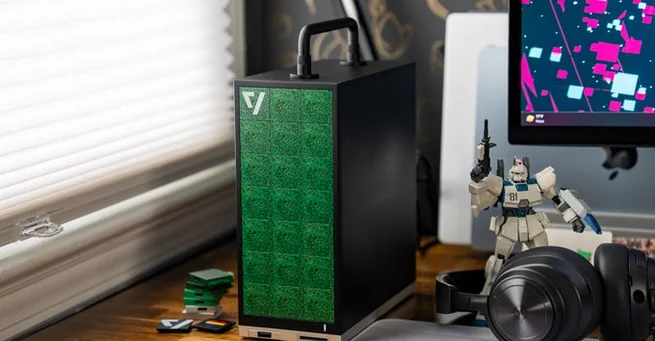
Framework Desktop Prices Rise as RAM Shortage Bites
Framework Desktop prices have increased again, raising concerns for buyers watching PC costs climb amid a prolonged global RAM shortage. The modular PC maker now lists its entry-level Framework Desktop at $1,139, reflecting higher memory costs from suppliers. Many readers searching for why Framework prices are rising or whether more increases are coming will find the answer tied directly to escalating LPDDR5x RAM prices. The change affects both base and high-end configurations, signaling broader pressure across the PC market. Framework says the move was unavoidable after weeks of holding prices steady. The announcement follows a recent hike in the company’s standalone RAM modules. For consumers, this reinforces how deeply the memory shortage is reshaping PC pricing in 2026.
Base Model Gets a Modest but Notable Increase
The updated pricing applies to the Framework Desktop equipped with 32GB of RAM and AMD’s Ryzen AI Max 385 processor. That configuration previously started at $1,099 but now costs $40 more. While the increase may seem small on its own, it lands at a time when buyers are already sensitive to hardware inflation. Framework positions the desktop as a repairable, upgrade-friendly alternative to traditional PCs. Even so, affordability remains a key part of its appeal. The company acknowledged that the new price reflects supplier costs rather than higher margins. For first-time buyers, the higher entry point could influence purchasing decisions. Still, Framework appears intent on preserving trust by explaining the change openly.
Framework Blames LPDDR5x Price Surge
In a public post, Framework directly linked the price hike to a “massive increase” in LPDDR5x memory pricing. According to the company, it delayed passing costs onto customers for as long as possible. Framework emphasized that adjustments only cover increased expenses, not additional profit. This transparency aligns with its reputation for customer-focused communication. The global RAM shortage has already affected smartphones, laptops, and servers. Desktop PCs are now feeling the ripple effects more clearly. Industry analysts note that advanced memory used in AI-capable processors is especially constrained. That makes Framework’s situation part of a wider tech supply challenge.
High-End Configurations See Steeper Jumps
Customers opting for more powerful Framework Desktop models are facing larger price increases. The 64GB version with the Ryzen AI Max Plus 395 processor now costs $1,639, up from $1,599. The most dramatic jump affects the 128GB model, which surged from $1,999 to $2,459. This sharp rise highlights how expensive high-capacity RAM has become. Power users who rely on heavy multitasking, AI workloads, or content creation are most impacted. Framework’s modular philosophy still allows upgrades over time, but the upfront cost is now significantly higher. For many buyers, this may delay purchase plans or push them toward lower configurations.
Signals Point to Possible Future Increases
Framework has not ruled out additional price adjustments in the near future. Back in December, the company warned that further module price changes were “very likely” within weeks. That caution now appears well-founded as memory costs continue climbing. Supply chain experts suggest relief may not come quickly, especially for newer RAM standards. For consumers, this creates uncertainty around timing purchases. Buying sooner could mean avoiding future hikes, but prices may stabilize later in the year. Framework’s messaging suggests it will continue to communicate changes early. This approach may help maintain customer confidence despite ongoing volatility.
What This Means for PC Buyers in 2026
The Framework Desktop price increase reflects a larger reality across the tech industry. RAM shortages are no longer abstract supply issues but direct drivers of consumer pricing. Buyers comparing modular PCs with traditional desktops will need to weigh long-term repairability against higher upfront costs. Framework’s commitment to transparency and sustainability remains intact, even as prices rise. For now, the $1,139 starting price sets a new baseline for its desktop lineup. Whether that remains competitive depends on how rivals respond to the same memory pressures. As 2026 unfolds, RAM pricing may become one of the most important factors shaping the PC market.

2.5K articles

1.4K articles

34 articles

28 articles














Comment