
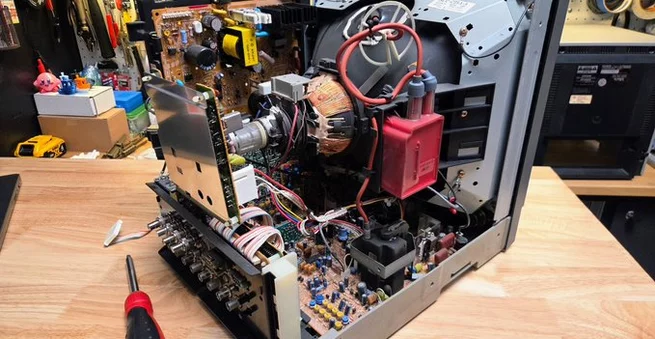
When iFixit launched FixBot, many users searched for answers to a simple question: Can an AI repair assistant actually help with real troubleshooting? Early testers hoped the tool could guide them through diagnosing broken gadgets using voice and images. But in practice, FixBot’s limitations quickly became clear, raising concerns about safety, accuracy, and overall reliability. The promise of an AI that “thinks out loud like a master technician” hasn’t yet matched the real-world experience.
FixBot debuted with bold claims: users could talk to the bot, upload images, and walk step-by-step through repairs without needing to interpret complex manuals. iFixit positioned the AI as a smarter, more intuitive upgrade to traditional troubleshooting guides. It was supposed to lower the barrier for repairing everything from old TVs to gaming consoles. For people who regularly search for quick repair instructions or beginners wanting simple guidance, FixBot was designed to feel like a technician on standby. But the early rollout has shown that the tool isn’t quite ready to replace human expertise.
Testing FixBot highlighted several issues that made even basic troubleshooting difficult. At times, the chatbot seemed to respond well to live voice conversations, but there was almost no visual feedback to show whether it was processing information or had simply stalled. This left users guessing whether the AI was analyzing a problem or silently failing. That lack of clarity became especially stressful when the repair questions involved pricey or delicate electronics, where a wrong step could cause permanent damage.
One of FixBot’s most hyped features was its ability to interpret user-uploaded photos for more accurate repair help. But actually getting it to analyze images proved inconsistent. The bot required a specific photo mode instead of recognizing what the camera saw in real time. Even worse, the photo-capture button sometimes failed outright. This meant that simple requests—like showing the AI a malfunctioning part—turned into repetitive attempts to get the app to register an image. For an AI meant to streamline repairs, the process felt surprisingly clunky.
Another issue quickly surfaced among Samsung phone users. At launch, FixBot’s attachment button only allowed PDF uploads, blocking image submissions entirely. iFixit later fixed the glitch, but the oversight frustrated early testers and raised questions about app readiness. For a tool that heavily depends on visual diagnosis, leaving out photo uploads—even temporarily—was a critical problem. It also highlighted how FixBot’s development may have rushed past essential mobile compatibility testing.
The biggest concern emerging from early reviews is whether FixBot is safe for beginners attempting real repairs. While conversational AI can be helpful, the stakes rise when instructions involve electrical components, heat systems, or valuable hardware. FixBot’s uncertainty, slow responses, and inconsistent ability to view images leave plenty of room for misdiagnosis. For many users, the tool currently feels too risky to trust with anything beyond basic curiosity-driven questions. Even minor repair errors guided by AI could lead to dangerous outcomes.
Despite the rocky start, FixBot’s concept still holds potential. A reliable, conversational repair assistant could truly democratize DIY fixes and reduce e-waste. iFixit has decades of repair expertise, making the company well positioned to combine human knowledge with AI tools. But transformative ideas also need dependable execution. Smooth image recognition, better interface feedback, and clearer diagnostics will be essential before FixBot can serve as a trustworthy companion for beginners and experts alike.
iFixit has already begun addressing some of FixBot’s early bugs, and the company says more improvements are coming. As with any emerging AI product, rapid iteration will likely define its first year. But for now, FixBot’s shortcomings show how challenging it is to blend safety, accuracy, and conversational AI in hands-on repair scenarios. Until those gaps close, most users may prefer to stick with trusted repair guides—or wait until FixBot learns to fix itself.

𝗦𝗲𝗺𝗮𝘀𝗼𝗰𝗶𝗮𝗹 𝗶𝘀 𝘄𝗵𝗲𝗿𝗲 𝗽𝗲𝗼𝗽𝗹𝗲 𝗰𝗼𝗻𝗻𝗲𝗰𝘁, 𝗴𝗿𝗼𝘄, 𝗮𝗻𝗱 𝗳𝗶𝗻𝗱 𝗼𝗽𝗽𝗼𝗿𝘁𝘂𝗻𝗶𝘁𝗶𝗲𝘀.
From jobs and gigs to communities, events, and real conversations — we bring people and ideas together in one simple, meaningful space.




Comments