
Alerts
-
7 minutes, 44 seconds
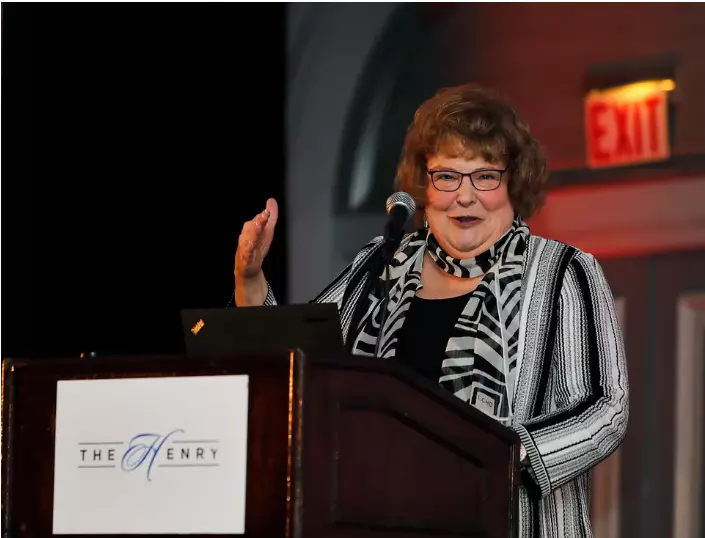
The Women in Manufacturing Fellowship is gaining national attention as it tackles one of the industry’s biggest challenges: attracting and retaining female talent. With manufacturing facing a looming workforce shortage and women representing only about 30% of the sector, initiatives like the Emily Stover DeRocco Fellowship are stepping in to close the gap. Designed for undergraduate women pursuing manufacturing careers, the program combines mentorship, leadership development, and real-world experience. As applications open for its next cohort, interest is growing among students, educators, and employers alike. The fellowship not only honors a legacy of leadership but also answers a critical workforce need. For many, it represents a pathway into an industry often misunderstood or overlooked. And for the sector itself, it signals a shift toward a more inclusive future.
Manufacturing has long been a pillar of economic growth, yet attracting young professionals remains a persistent challenge. As experienced workers approach retirement, companies are scrambling to build a new talent pipeline capable of sustaining innovation and productivity. Educators and policymakers have invested in programs to spark interest, but perception issues still linger. Many young people, especially women, associate manufacturing with outdated stereotypes rather than modern, tech-driven environments. This disconnect has slowed progress in diversifying the workforce. With only a fraction of roles filled by women, the industry is missing out on a significant pool of talent. Addressing this imbalance is no longer optional—it’s essential for long-term competitiveness.
The fellowship pays tribute to Emily Stover DeRocco, a transformative figure in workforce development policy. During her tenure as Assistant Secretary for the Employment and Training Administration at the U.S. Department of Labor, she oversaw an $11 billion federal workforce system. Her leadership emphasized aligning education, employment, and economic development—principles that remain relevant today. Beyond government, she played a pivotal role in shaping manufacturing workforce strategies through her work with national organizations. Her career reflected a commitment to preparing workers for evolving industries. Colleagues often described her as disciplined, visionary, and deeply committed to excellence. The fellowship seeks to instill those same values in its participants.
At its core, the DeRocco Fellowship is about equipping young women with the tools to succeed in a competitive industry. Participants enhance their internships through structured professional development, gaining insights that go beyond technical skills. The program blends virtual and in-person learning, creating a dynamic and supportive environment. Fellows engage directly with experienced women leaders who provide mentorship and career guidance. Topics covered include salary negotiation, career planning, and navigating workplace dynamics. This holistic approach ensures participants are prepared not just to enter the workforce, but to lead within it. For many, the experience becomes a turning point in their professional journey.
One of the fellowship’s standout features is its integration with real-world internships across diverse manufacturing companies. From large corporations to smaller firms, fellows gain exposure to a wide range of operational environments. This hands-on experience helps demystify the industry and reveals its complexity and innovation. Participants often report a shift in perspective, moving beyond outdated stereotypes of factory work. Instead, they encounter cutting-edge technologies, advanced design processes, and collaborative problem-solving. The program also fosters peer learning, allowing fellows to build a strong professional network. These connections often extend beyond the fellowship, shaping long-term career paths. By combining experience with mentorship, the program creates a powerful foundation for success.
For many fellows, the program challenges preconceived notions about manufacturing. What was once seen as a rigid and traditional field becomes a space of creativity and technological advancement. Participants highlight the diversity of roles available, from engineering to business and operations. This broader understanding helps attract individuals who might not have previously considered the industry. It also reinforces the idea that manufacturing is not just about production, but about innovation and impact. As more women share their experiences, perceptions begin to shift at a larger scale. This cultural change is critical for sustaining workforce growth. The fellowship plays a key role in driving that transformation.
The success of the fellowship has sparked strong support from employers and academic institutions. Companies benefit from hosting fellows without additional costs, making it an accessible way to diversify talent pipelines. Educators are increasingly recommending the program to students across disciplines, recognizing its career-building potential. Industry leaders are also stepping forward to serve as mentors, contributing their expertise to the next generation. This collaborative approach strengthens the program’s impact and reach. It also highlights the shared responsibility of shaping the future workforce. As momentum builds, the fellowship is becoming a model for similar initiatives. Its influence is expected to grow in the coming years.
With its inaugural cohort already making strides, the DeRocco Fellowship is now accepting applications for its next class. The deadline is set for April 30, 2026, and interest is expected to be high. Organizers encourage students from all backgrounds—engineering, business, and beyond—to apply if they have an interest in manufacturing. Employers and faculty are also urged to recommend promising candidates. The program continues to emphasize confidence, resilience, and leadership as core qualities. For aspiring professionals, it offers a rare opportunity to gain both experience and mentorship. As the industry evolves, initiatives like this will play a defining role. And for many young women, it could be the start of a transformative career.









Comment