Alerts

-
4 minutes, 52 seconds
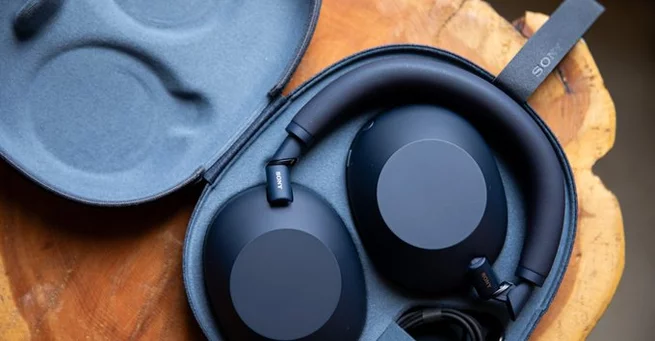
A serious security flaw in Google’s Fast Pair system is putting wireless headphones and earbuds from Sony, Anker, and other brands at risk. Researchers warn the issue could allow attackers to eavesdrop through microphones or even track devices using Google’s network. Many users are unaware that a simple Bluetooth connection could open the door to hackers.
This vulnerability, discovered by security experts at KU Leuven University in Belgium, highlights major flaws in how some devices implement Fast Pair. Even iPhone users with affected headphones could be exposed, despite Fast Pair being designed primarily for Android devices.
Fast Pair is Google’s system that simplifies Bluetooth connections. It lets devices like headphones, earbuds, and speakers automatically pair with Android or Chrome OS devices with a tap. While convenient, the new research shows that many devices fail to follow Google’s security guidelines.
Specifically, the protocol is supposed to prevent headphones from connecting to a new device while already paired to another. Researchers found that bypassing this rule is possible, allowing unauthorized users to link to a device without the owner’s consent.
The KU Leuven team named their attack method WhisperPair. By using this technique, a hacker within Bluetooth range can:
Pair with headphones or earbuds without the owner’s knowledge.
Play audio at any volume on the compromised device.
Intercept phone calls and eavesdrop on conversations.
Track the device’s location using Google’s Find Hub network.
Tests showed that out of 24 devices evaluated, 17 were successfully hacked. The risk is especially high for certain Sony models and Google’s Pixel Buds Pro 2. If these devices are unpaired and not linked to an Android device, a hacker could even add the device to their Google account, effectively claiming ownership.
Some of the most popular audio devices are vulnerable, including:
Sony WH-1000XM6 and other Sony headphones
Anker Soundcore headphones
Nothing ear (1) earbuds
Google Pixel Buds Pro 2
While manufacturers are aware of the risk, many devices still don’t fully implement the protections Fast Pair requires. Users who frequently switch devices or use headphones with multiple accounts are particularly exposed.
While a permanent fix requires software updates from device manufacturers, users can take temporary precautions:
Avoid pairing headphones in public or crowded areas.
Regularly update firmware on all wireless audio devices.
Turn off Bluetooth when headphones are not in use.
Monitor unexpected pairing notifications from your devices.
Taking these steps can reduce the risk of unauthorized access, though the most reliable solution is an official patch from the manufacturer.
Security researchers are urging companies like Sony, Anker, and Google to act quickly. The potential for eavesdropping and device hijacking poses a major privacy threat for consumers. As smart devices become more integrated into daily life, flaws like WhisperPair highlight the need for robust security standards.
Consumers are reminded that convenience features such as Fast Pair carry inherent risks if not implemented correctly. The industry faces growing pressure to balance ease of use with airtight security protocols.
The Fast Pair vulnerability underscores a troubling reality: even trusted tech brands can have serious security gaps. Users of Sony, Anker, and other affected headphones should take immediate precautions and watch for firmware updates. Protecting personal conversations and device privacy has never been more important.










Comment