
Alerts
-
3 minutes, 29 seconds
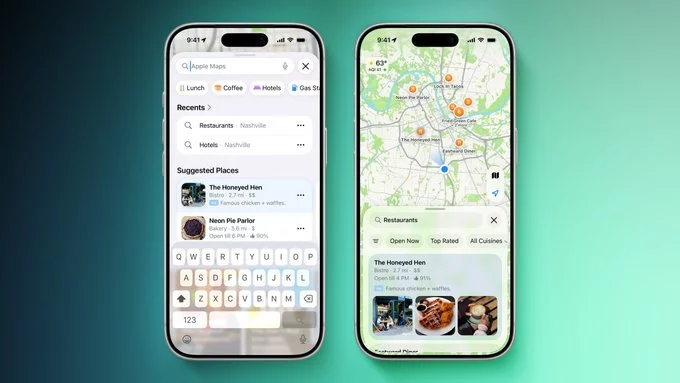
Apple is taking a significant step in monetizing its mapping service by introducing advertising to Apple Maps. The initial integration will focus on sponsored results within the search functionality, a move that aligns the app with the advertising models already used by competitors like Google Maps and Waze. This change means that when users search for a general category—such as “pizza” or “hotels”—the first result they see may be a paid placement from a business rather than the most organic or top-rated match.
This new system is designed to be relevant and useful, showing sponsored content only when it is directly related to the user’s search query. For businesses, this presents a new opportunity to gain prominent visibility in a highly used app. As Apple continues to expand its services revenue, integrating ads into Maps is a logical progression, though it will be interesting to see how the company balances monetization with user experience in the coming months.
When you search for a category like “pizza” or “coffee” in Apple Maps, the results will now include sponsored placements at the top of the list. These ads are clearly marked with a small icon—typically a blue “Ad” badge—so you can distinguish them from organic results. The system is designed to match ads to your search query: if you type “hotels near me,” you’ll see sponsored hotel listings, not unrelated promotions. This relevance-based approach means the ads are contextual, not random.
According to the initial rollout plan, ads will only appear when they are directly relevant to the search terms you use. Apple has stated that the sponsored results will be visually distinct, using the icon to ensure transparency. For now, the feature is limited to the United States, with expansion to other countries expected later. The goal is to keep the ad experience unobtrusive, so you can still scroll past sponsored items to find standard listings without any disruption to the core mapping functionality.
The sponsored search results will first appear in the United States, giving Apple a controlled market to test user engagement and advertiser demand. This initial phase allows the company to refine ad placement, relevance, and privacy safeguards before scaling further. According to the rollout strategy, the US launch serves as a foundational step, with plans to expand to other countries over time.
While no specific international timeline has been confirmed, the gradual approach mirrors Apple’s typical product deployment pattern. By starting domestically, Apple can gather real-world performance data, adjust bidding systems, and ensure that ads remain clearly distinguishable from organic search results. The expansion phase will likely prioritize regions with high iPhone penetration and mature local search ecosystems, though Apple has not disclosed which markets come next. For now, businesses targeting US users should prepare for the new ad inventory, while international advertisers will need to monitor Apple’s official announcements for future availability.
For users, the immediate change is that sponsored results will appear within Apple Maps search queries. These ads are designed to be useful, meaning they should align with the user’s intent rather than disrupt the experience. You will see more ads over time, but Apple aims to make them relevant to the search context.
For businesses, this introduces a paid avenue to gain visibility. Companies can pay to appear prominently in relevant searches, which is particularly valuable for local establishments competing for attention. This allows businesses to position themselves at the top of results when a user searches for a related category, such as “pizza” or “hotel.” The system prioritizes relevance, so a business’s ad will only show when it matches the search terms, ensuring that the sponsored placement feels organic. Ultimately, this creates a new advertising channel within a popular navigation app, offering businesses a direct way to reach potential customers at the moment they are actively looking for services.








Comment