
If you’ve been searching for what’s new in the Fairbuds XL headphones or whether the second-generation Fairbuds XL are worth upgrading to, the big news is this: Fairphone’s new model delivers better sound, improved comfort, and even backward-compatible parts you can use to upgrade the older Fairbuds XL. The announcement has quickly sparked interest among users who value repairable tech and want long-lasting gear without replacing entire devices. This 2025 refresh keeps the modular design that made the first-gen version stand out while introducing meaningful improvements that feel more premium and more durable. For Fairphone fans, this is easily one of the company’s smartest product updates yet.
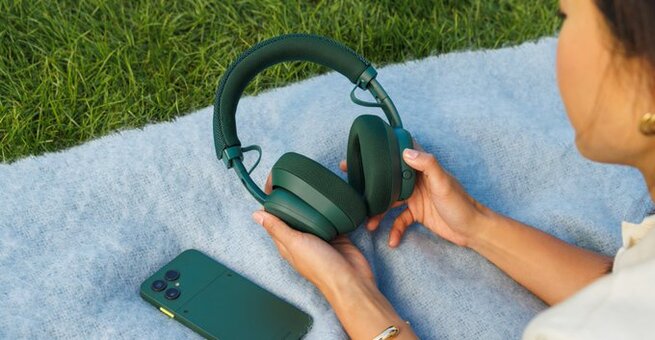
The new Fairbuds XL arrive with a sleeker, more refined design that improves everyday comfort. Fairphone switched to breathable mesh fabrics for the headband and ear cushions, offering a noticeably softer feel during long listening sessions. The company says the goal was to reduce heat buildup and enhance all-day usability, something fans frequently requested. The headphones keep popular features like the IP54 dust and water resistance rating, USB-C charging, a dedicated ANC button, and the small joystick control for playback and volume. Even the color lineup—now called forest green and horizon black—gets a deeper, more premium finish that feels more stylish than before.
Fairphone also focused heavily on sound upgrades, introducing new 40mm dynamic drivers and refined audio tuning. According to the company, users should expect better clarity, richer bass, and a more balanced overall profile compared to the first-generation model. Bluetooth support remains limited to AAC, SBC, and aptX HD, which may disappoint audiophiles hoping for LDAC or other modern codecs. Even so, the internal tuning improvements aim to deliver noticeably better performance out of the box. Fairphone’s goal hasn’t changed: make headphones that last years—and sound better doing it.
One of the most interesting twists in this announcement is Fairphone’s decision to make some of the new components backward-compatible. Owners of the original Fairbuds XL can upgrade their headphones with parts like the new drivers, extending their lifespan and improving sound without buying a full replacement. This modular approach continues Fairphone’s mission to fight electronic waste and encourage long-term ownership. With eight replaceable components—including the battery, cushions, and multiple internal modules—Fairphone remains one of the only tech brands truly committed to repair-first design.
While the new Fairbuds XL bring several improvements, one spec remains unchanged: battery life still maxes out at around 30 hours, and slightly less with ANC enabled. But in the Fairphone ecosystem, a replaceable battery matters more than a higher runtime. Users can easily swap the battery after years of wear, avoiding one of the most common reasons headphones are thrown away. The design ensures that longevity comes from user maintenance rather than frequent upgrading.
A major frustration with the original Fairbuds XL was the long wait before they arrived in the United States—over two years. This time, Fairphone says the rollout will happen much sooner. The faster expansion reflects growing demand for repairable consumer tech globally, especially in North America. As more consumers look for sustainable alternatives to mainstream brands, Fairphone is positioning the Fairbuds XL as the repairable, eco-conscious choice that doesn’t sacrifice everyday performance.
With deeper colors, softer fabrics, and improved audio, the second-gen Fairbuds XL feel like a natural evolution rather than a full redesign. They maintain the familiar aesthetic and modular philosophy that long-time users appreciate, while introducing enough upgrades to appeal to newcomers. The result is a pair of wireless headphones that balance sustainability and convenience in a way few brands can. As modular consumer products become more mainstream, Fairphone continues to lead by example.
Fairphone’s approach with the Fairbuds XL—especially the backward-compatible parts—signals a broader shift in how tech companies could design future products. Instead of forcing users into complete replacements every few years, modular upgrades encourage longer ownership and reduce environmental impact. For Fairphone, this strategy helps build its reputation as the most ethical hardware company in the market. And for consumers, it provides something increasingly rare: tech that grows with you instead of pushing you to start over.

𝗦𝗲𝗺𝗮𝘀𝗼𝗰𝗶𝗮𝗹 𝗶𝘀 𝘄𝗵𝗲𝗿𝗲 𝗽𝗲𝗼𝗽𝗹𝗲 𝗰𝗼𝗻𝗻𝗲𝗰𝘁, 𝗴𝗿𝗼𝘄, 𝗮𝗻𝗱 𝗳𝗶𝗻𝗱 𝗼𝗽𝗽𝗼𝗿𝘁𝘂𝗻𝗶𝘁𝗶𝗲𝘀.
From jobs and gigs to communities, events, and real conversations — we bring people and ideas together in one simple, meaningful space.




Comments