Profile
Yes, the EEOC can still address employment discrimination, but its current focus has shifted away from the most common forms of ...
Can the EEOC Still Address Employment Discrimination in 2024?
Apr 29 -
4 minutes, 11 seconds
Employment Discrimination: Is the EEOC Still Able to Help?
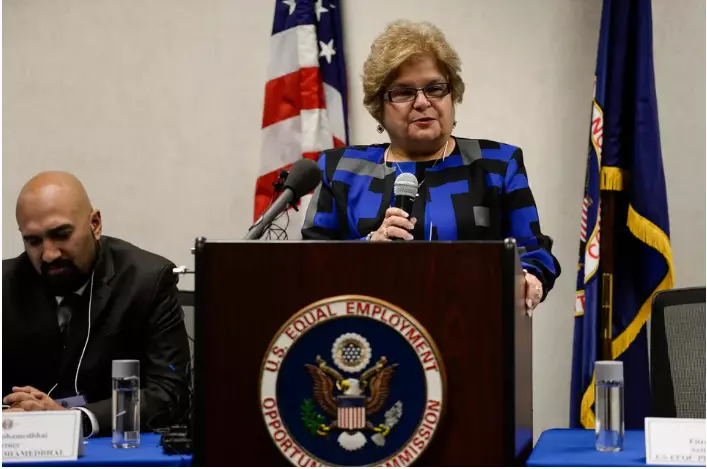
Yes, the EEOC can still address employment discrimination, but its current focus has shifted away from the most common forms of workplace bias. While the agency was created to enforce anti-discrimination laws, recent cases have prioritized claims of reverse discrimination against white men. This change raises serious questions about whether the EEOC is still protecting the workers who need it most.
How Does Employment Discrimination Really Happen Today?
Most workplace discrimination is no longer obvious or openly stated. Instead, it happens in subtle ways that are harder to prove but just as damaging.
Common Forms of Modern Discrimination
- Unequal rules: Black workers may be punished more harshly than white coworkers for the same mistakes.
- Unfair tasks: Employees of color are often given less desirable assignments or fewer opportunities for training.
- Fewer perks: White colleagues may receive more flexibility, better shifts, or access to informal networks.
- Hiring bias: Studies show that resumes with names that sound Black or Latino receive fewer callbacks, even when qualifications are identical.
Has Employment Discrimination Actually Decreased?
It might seem like discrimination is a thing of the past, but research tells a different story. A major study by sociologist Lincoln Quillian found that hiring discrimination against Black Americans has not declined since the 1980s. While bias against Latino workers has dropped slightly, Black applicants still face significant barriers.
Key Research Findings
- White job applicants with criminal records are sometimes hired over Black applicants with clean records.
- Asian American workers face stereotypes about being less sociable or collegial, which hurts their hiring chances.
- Discrimination is often based on names, not just qualifications.
Why Is the EEOC Focusing on Reverse Discrimination?
The current EEOC has actively pursued cases where white men claim they were victims of discrimination. This matches a broader cultural narrative that diversity, equity, and inclusion (DEI) policies have gone too far. However, the data does not support this view. Most discrimination still targets people of color, not white workers.
What This Means for Workers
If the EEOC continues to prioritize reverse discrimination cases, it may overlook real, documented patterns of bias. Workers of color could be left without the protection they need. For anyone facing workplace discrimination, it is still important to file a complaint, but you may need to gather strong evidence of unequal treatment.
Practical Tips for Employees
- Document everything: Keep records of emails, performance reviews, and any differences in how rules are applied.
- Talk to witnesses: Coworkers who have observed unfair treatment can support your case.
- Know your rights: The Civil Rights Act of 1964 still protects you from discrimination based on race, gender, and other categories.
- Seek legal advice: An employment lawyer can help you navigate the EEOC process.
Final Thoughts
Employment discrimination is still a real and persistent problem. The EEOC has the power to address it, but its current direction may leave many workers behind. Understanding how discrimination happens today—and knowing your rights—is the first step to fighting back.
Related Posts
Contact Information
More from UAE Jobs
-
Is Remote Work Bad for Mental Health? Not If You Ask Women
Thu at 10:31 AM
Suggested Writers
-
7.4K articles
-
1.3K articles
-
34 articles
-
28 articles


Comment