
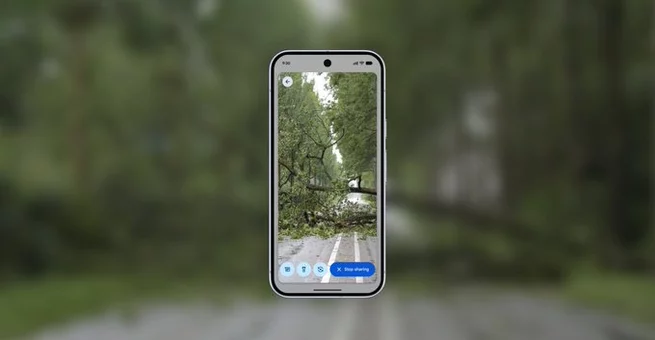
Emergency Live Video is officially rolling out to Android users, and many are already searching how the new 911 live video feature works, which phones support it, and whether the stream is secure. Google says the tool is available starting today on devices running Android 8 or later, giving millions of users access to real-time emergency guidance. The feature allows callers to share a live video feed directly with 911 responders, helping first responders make faster, more accurate decisions. With more emergency centers upgrading their systems for next-gen 911 support, this update positions Android as a major player in smarter, tech-enabled public safety. And for users, it promises a crucial boost in confidence during moments when clarity and timing matter most.
When someone dials 911, emergency responders can now send a secure request to start a live video stream. The caller must approve the request before any video is shared, ensuring full control and consent. Once active, the encrypted feed lets responders see exactly what the caller sees—whether it's a medical situation, a fire, an accident, or an environment the caller can’t describe. That real-time view helps dispatchers offer clearer instructions and prepare paramedics or officers before they arrive. Users can stop streaming at any time, and no footage is saved on the device.
The Emergency Live Video feature is designed for situations where every second counts. If someone is having a medical emergency, dispatchers can use the video feed to guide the caller through CPR, wound care, or vital first-aid steps until help arrives. In chaotic or high-stress scenarios—such as when someone is lost, panicking, or unable to explain their surroundings—responders get the clarity they need to send help faster. For families, caregivers, and commuters, the feature could provide a lifeline during unpredictable moments.
Google emphasizes that privacy protections are central to Emergency Live Video. The stream is encrypted by default and only begins after the caller grants permission. No one—not even first responders—can start a video feed without approval, and the caller can stop at any moment. These controls mirror Android’s broader commitment to transparency and user choice, especially in sensitive, high-stakes situations. With more people concerned about data safety during emergency interactions, the opt-in design will likely reassure cautious users.
Emergency Live Video arrives roughly a year after Apple introduced its own version for iPhone users. Apple’s tool allows callers to share a live video feed or send photos and videos from their library. Android’s version functions similarly but focuses squarely on real-time streaming during active 911 calls. The addition closes an important gap between the two platforms, bringing parity in emergency safety features that many users consider essential, regardless of device.
According to Android software engineer Alastair Breeze, the rollout begins today across major safety platforms in the US. These include RapidSOS, Motorola Solutions, and Prepared911—systems already used by thousands of emergency call centers nationwide. As these platforms adopt the update, more dispatchers will gain access to video-enabled responses, pushing public safety infrastructure closer to the next phase of modern 911 technology. For now, the feature requires any Android device running version 8 or later.
Emergency Live Video marks a pivotal shift in how Android handles crisis communication. By giving dispatchers real-time visibility, Google is bridging the gap between callers and responders, helping reduce confusion, delays, and miscommunication. As the feature expands across more devices and call centers, it could become a standard part of emergency response nationwide. For Android users, the message is clear: help can now see what you see—and arrive better prepared than ever.
Emergency Live Video: Android’s New 911 Featu... 0 0 0 3 2
2 photos

𝗦𝗲𝗺𝗮𝘀𝗼𝗰𝗶𝗮𝗹 𝗶𝘀 𝘄𝗵𝗲𝗿𝗲 𝗽𝗲𝗼𝗽𝗹𝗲 𝗰𝗼𝗻𝗻𝗲𝗰𝘁, 𝗴𝗿𝗼𝘄, 𝗮𝗻𝗱 𝗳𝗶𝗻𝗱 𝗼𝗽𝗽𝗼𝗿𝘁𝘂𝗻𝗶𝘁𝗶𝗲𝘀.
From jobs and gigs to communities, events, and real conversations — we bring people and ideas together in one simple, meaningful space.




Comments