


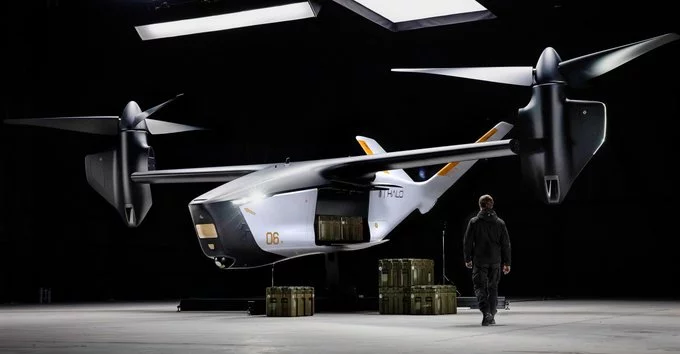
Electric Air Taxis Go to War: The Future of Military Aviation
-
2 minutes, 7 seconds
Electric Air Taxis Are Entering the Battlefield
Electric air taxis, once seen as the future of urban commuting, are now being repurposed for military use. These electric vertical takeoff and landing (eVTOL) aircraft are being adapted for defense missions, including surveillance, cargo delivery, and troop transport. This shift marks a major change in how modern warfare is conducted, offering quieter, cheaper, and more agile alternatives to traditional helicopters.
Why Militaries Are Turning to eVTOL Aircraft
Defense forces around the world are exploring electric air taxis for several key reasons:
- Low noise: Electric motors are much quieter than gas engines, making stealth missions easier.
- Reduced costs: eVTOLs have fewer moving parts, lowering maintenance and fuel expenses.
- Compact design: They can take off and land in tight spaces, like ship decks or urban zones.
- Speed and agility: Many models can fly at 150 mph or more, with rapid acceleration.
Real-World Military Applications
Several defense programs are already testing electric air taxis. For example, the U.S. Air Force’s Agility Prime initiative is working with companies like Joby Aviation and Beta Technologies to evaluate eVTOLs for logistics and rescue missions. In Europe, the UK’s Royal Air Force has tested a heavy-lift eVTOL drone for carrying supplies to troops in remote areas.
Key Use Cases in Combat Zones
- Medical evacuation: Quickly moving wounded soldiers from dangerous areas.
- Reconnaissance: Silent flights for spying on enemy positions.
- Supply runs: Delivering ammunition, food, or medical gear without risking ground convoys.
- Urban warfare: Navigating tight city streets and rooftops for quick insertions.
Challenges and Limitations
Despite the excitement, electric air taxis face hurdles in military settings. Battery life remains a concern—most eVTOLs can only fly for 30 to 60 minutes on a charge. They also carry less weight than traditional helicopters, limiting how much cargo or how many troops they can transport. Additionally, harsh weather conditions like strong winds or heavy rain can affect their stability.
The Future of eVTOLs in Defense
As battery technology improves and costs drop, electric air taxis will likely play a bigger role in military operations. Some experts predict that within a decade, these aircraft will be common tools for special forces and logistics teams. For now, they offer a glimpse into a quieter, more efficient battlefield where the sky is no longer dominated by loud, fuel-hungry helicopters.
In short, electric air taxis going to war is not just a concept—it’s happening now. From surveillance to rescue missions, these innovative vehicles are proving that the future of military aviation is electric.



Contact Information





Suggested Writers
-

2.5K articles
-

1.3K articles
-

34 articles
-

28 articles



Comment