
Alerts
-
2 minutes, 6 seconds
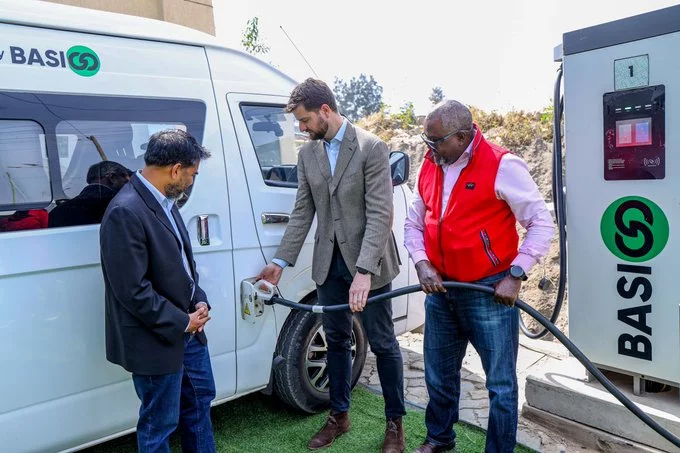
Kenya’s electric vehicle (EV) revolution just got a major boost. BasiGo and Rubis have officially opened their first public EV fast-charging station in Sabaki, marking the start of a national inter-city charging network. The next stops? Meru, Nanyuki, and Nyeri. This is a game-changer for EV drivers in Kenya, making long-distance travel cleaner, cheaper, and more convenient.
Until now, EV owners in Kenya faced a big challenge: limited charging options outside Nairobi. The new Sabaki station changes that. Located along a key route, it allows drivers to recharge quickly and get back on the road. With fast-charging technology, you can add significant range in just 20–30 minutes.
BasiGo and Rubis have big plans. After Sabaki, the network will expand to three more towns: Meru, Nanyuki, and Nyeri. These locations are popular travel hubs for tourists, businesses, and locals. This expansion will connect central Kenya to the coast, making electric road trips possible.
Kenya already generates most of its electricity from renewable sources like geothermal, hydro, and wind. By switching to EVs and building a reliable charging network, the country can reduce its reliance on imported fossil fuels. This means cleaner air, lower transport costs, and a smaller carbon footprint.
This is just the beginning. BasiGo is a leader in electric buses in Kenya, and Rubis is a trusted fuel retailer. Together, they aim to build a network that covers major highways and towns. Expect more stations in 2024 and 2025, including along the Nairobi-Mombasa highway.
For EV owners, this means more freedom. For Kenya, it means a cleaner, greener future. The inter-city charging network is no longer a dream—it’s happening now.









Comment