Alerts

-
7 minutes, 30 seconds
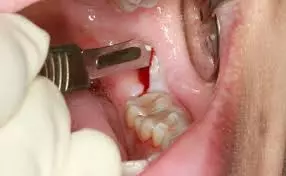
When tooth pain hits hard, it doesn’t just stay in your mouth—it affects your whole day. Eating becomes uncomfortable, sleep gets disturbed, and even simple talking can feel annoying. That’s usually when people are referred to a dental surgeon.
But what exactly does a dental surgeon do, and when do you actually need one? Let’s make it simple and easy to understand.
A dental surgeon is a specially trained dental professional who performs surgical procedures involving teeth, gums, jaw, and mouth.
Dental Surgeon: Specialist who performs surgical procedures on teeth, gums, and jaw for advanced dental conditions\text{Dental Surgeon: Specialist who performs surgical procedures on teeth, gums, and jaw for advanced dental conditions}Dental Surgeon: Specialist who performs surgical procedures on teeth, gums, and jaw for advanced dental conditions
They step in when regular dental treatments like fillings or cleanings are not enough.
A dental surgeon handles more complex dental problems that require surgical treatment.
Tooth extraction
Wisdom tooth removal
Dental implants
Gum surgery
Jaw correction surgery
Treatment of oral infections
Think of a dental surgeon like a specialist mechanic—you go to them when the problem is deeper than basic repair.
Not every dental issue needs surgery, but some situations definitely do.
Severe tooth pain that won’t go away
Impacted wisdom teeth
Broken teeth below the gum line
Gum disease affecting tooth stability
Missing teeth needing implants
Jaw alignment issues
Ignoring these problems can make them worse over time.
Let’s look at the most common treatments performed by a dental surgeon.
This is done when a tooth is too damaged or infected to save.
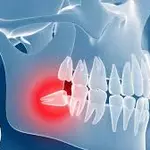
Wisdom teeth often grow at the wrong angle, causing pain and swelling.
A long-term solution for missing teeth using artificial roots.
Used to treat advanced gum disease and restore oral health.
Corrects bite problems and facial alignment issues.
Many people feel nervous before surgery, but modern dentistry makes the process safe and controlled.
Consultation and X-rays
Treatment planning
Local or general anesthesia
Surgical procedure
Recovery instructions
Most patients feel pressure, not pain, during the procedure.
This is the most common concern—and the answer is reassuring.
During procedure: No pain (due to anesthesia)
After procedure: Mild soreness or swelling
It feels similar to a bruise healing over time. Pain relief medication helps manage discomfort easily.
Recovery depends on the type of procedure, but most people heal within a few days to two weeks.
Rest for 24–48 hours
Apply ice packs for swelling
Eat soft foods only
Avoid smoking and alcohol
Take prescribed medicines
Keep the area clean gently
Soup
Yogurt
Mashed potatoes
Smoothies
Soft rice
Think of recovery like giving your body time to repair itself after a small injury.
Dental surgery is generally safe, but minor side effects may include:
Swelling or bruising
Light bleeding
Jaw stiffness
Temporary discomfort
Dry socket (after tooth extraction)
Following your dental surgeon’s advice reduces risks significantly.
Choosing the right specialist makes a big difference in your experience.
Proper qualifications and registration
Experience in surgical procedures
Patient reviews and feedback
Clean and modern clinic setup
Clear communication style
A good dental surgeon will explain everything in simple terms and make you feel comfortable.
The cost depends on:
Type of procedure
Complexity of the case
Clinic location
Private vs NHS treatment
Use of sedation
Simple procedures like extractions cost less, while implants and jaw surgery cost more.
You can also read:
“Wisdom Tooth Pain: Causes and Treatment”
“Tooth Extraction Recovery Tips”
“Dental Implants Explained Simply”
American Dental Association (ADA)
Mayo Clinic
A dental surgeon plays an important role in treating complex dental problems that go beyond regular dental care. From tooth extraction to implants and jaw surgery, they help restore both comfort and confidence.
The key takeaway is simple: don’t ignore ongoing dental pain or issues. Early treatment from a qualified specialist makes recovery easier, faster, and safer.
Good oral health isn’t just about your smile—it’s about your overall well-being.
A dental surgeon performs surgical procedures like tooth extraction, implants, and jaw correction treatments.
No, anesthesia prevents pain during the procedure. Mild soreness may occur after surgery.
Most patients recover within a few days to two weeks depending on the procedure.
If you have severe tooth pain, impacted teeth, or need implants or jaw surgery, you should consult one.
A dentist handles general care, while a dental surgeon performs advanced surgical dental treatments.


8.4K articles

2.7K articles

1.6K articles

34 articles








Comment