Alerts

-
4 minutes, 20 seconds
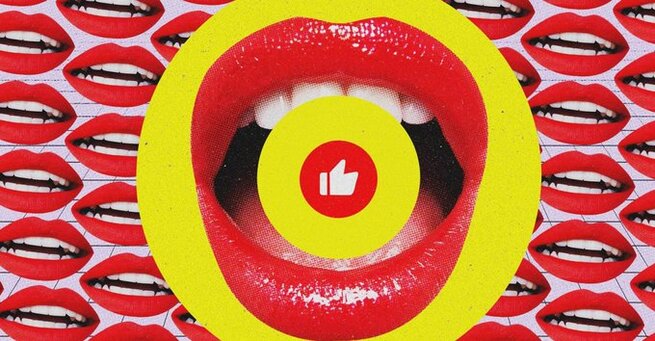
The creator economy isn’t the future—it’s the internet today. Platforms like TikTok, YouTube, and Instagram now dominate culture and media, generating billions in revenue while shaping politics, trends, and social conversations. For many, the rise of influencer culture seems glamorous, but the underlying system is precarious. Most creators face intense pressure to go viral, relying on sponsorships and brand deals that often pay far less than their audience size suggests. In effect, the algorithms control success more than talent or creativity.
Behind the viral posts and trending videos is a stark reality: platforms profit massively while creators earn little. Algorithms determine visibility, meaning that even the most creative work can go unnoticed. Many creators eventually pivot from making content to selling products, where profits are more predictable. The Paul brothers, for example, shifted from viral videos to bottled water sales, while MrBeast’s massive YouTube presence functions largely as marketing for his chocolate bar line at Walmart. Viral fame is now a marketing engine rather than a sustainable career.
Brand deals and sponsorships fuel the creator economy, but they are highly unstable. One viral post can lead to thousands of dollars, but another can disappear with no warning. This instability forces creators into an endless chase for engagement, often prioritizing clickbait or controversy over meaningful content. The race for virality creates mental stress and contributes to a system that rewards sensationalism rather than substance.
Selling physical products has become the primary revenue lifeline for top creators. Viral content is essentially free advertising for merchandise lines, apps, or personal brands. While views and likes boost visibility, real money comes from converting fans into paying customers. MrBeast’s YouTube channels, despite losing over $100 million in 2024 alone, highlight how content serves as a loss leader for more profitable ventures. In this ecosystem, attention is currency, but tangible products are the real gold.
The creator economy thrives on engagement, and nothing drives engagement like outrage. Social media amplifies controversy, turning small disagreements into viral spectacles. Politics, social trends, and even public debates increasingly resemble creator drama rather than thoughtful discourse. Platforms benefit as long as users stay engaged, regardless of the long-term cultural or societal cost.
Unlike traditional media companies, the creator economy operates without centralized oversight. No single entity controls the rules, allowing new creators to constantly disrupt existing hierarchies. While this democratization offers opportunities, it also means accountability is minimal. Controversy, exploitation, and rapid trend cycles are baked into the system, leaving creators and audiences both vulnerable.
The creator economy isn’t a passing trend—it defines modern media. Platforms profit while creators navigate unstable income streams and culture revolves around clicks, shares, and outrage. The internet has shifted from being a platform for ideas to a supercharged shopping and engagement engine. Understanding this ecosystem is crucial for anyone participating in digital media today, whether as a creator, consumer, or investor.





Comment