Alerts

-
5 minutes, 15 seconds
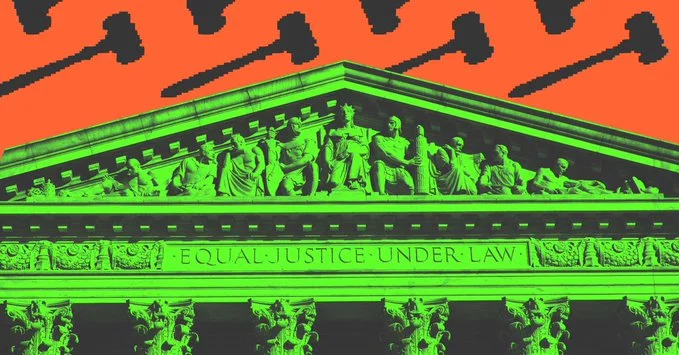
Cox Communications is not liable for pirated music shared by its users, according to a landmark Supreme Court ruling that answers a major question: can internet providers be held responsible for what users do online? The court decided they cannot—at least not in this case—because Cox simply provided internet access, not a platform designed for copyright infringement. This decision has immediate implications for internet users, copyright holders, and service providers alike.
At the heart of the case was whether Cox Communications knowingly allowed copyright infringement to happen on its network. Music companies argued that the provider failed to take sufficient action against repeat offenders who downloaded or shared pirated music. However, the court found that Cox’s role was limited to supplying internet connectivity, not facilitating illegal activity.
Judges emphasized that providing internet access alone does not equate to endorsing or encouraging piracy. For liability to apply, there must be clear evidence that a company actively promotes or profits from infringement. In this instance, that threshold was not met. The ruling reinforces a legal distinction between enabling access and enabling illegal behavior.
This ruling offers significant relief for internet service providers (ISPs), many of whom have faced increasing pressure to police user activity. The decision confirms that ISPs are not automatically responsible for how customers use their connections. Instead, liability depends on intent and direct involvement.
That said, ISPs are still expected to respond to legitimate copyright complaints. Ignoring repeated warnings or failing to act in extreme cases could still create legal risks. The ruling does not give providers a free pass—it simply clarifies the boundaries of their responsibility in a digital ecosystem that continues to evolve.
For record labels and artists, the decision is a mixed outcome. On one hand, it limits the ability to hold ISPs accountable for widespread piracy. On the other, it pushes copyright enforcement efforts toward more direct targets, such as individuals or platforms that actively distribute illegal content.
The music industry has long struggled with piracy, especially since the rise of peer-to-peer sharing networks. While streaming services have reduced illegal downloads in recent years, unauthorized sharing still exists. This ruling signals that enforcement strategies may need to adapt further, focusing on education, technology, and partnerships rather than litigation alone.
For everyday users, the ruling does not legalize piracy. Downloading or sharing copyrighted material without permission remains illegal and can still lead to penalties. What changes is who gets held accountable. Instead of targeting ISPs, enforcement efforts are more likely to focus on individuals or specific services that enable illegal sharing.
This distinction matters because it protects access to the internet as a neutral service. Users can browse, stream, and communicate without their provider being overly restrictive out of fear of lawsuits. At the same time, individuals are still responsible for their actions online, reinforcing the importance of understanding digital rights and laws.
The Cox Communications pirated music ruling marks a pivotal moment in the ongoing debate over internet responsibility and copyright enforcement. By drawing a clear line between access and accountability, the Supreme Court has set a precedent that could influence future cases involving technology companies and online platforms.
Looking ahead, this decision may shape how lawmakers approach digital policy. Balancing innovation, user freedom, and intellectual property rights remains a complex challenge. What’s clear is that the internet’s role as a neutral gateway has been reaffirmed—while the fight against piracy continues to evolve in new and unexpected ways.










Comment