
Alerts
-
2 minutes, 19 seconds
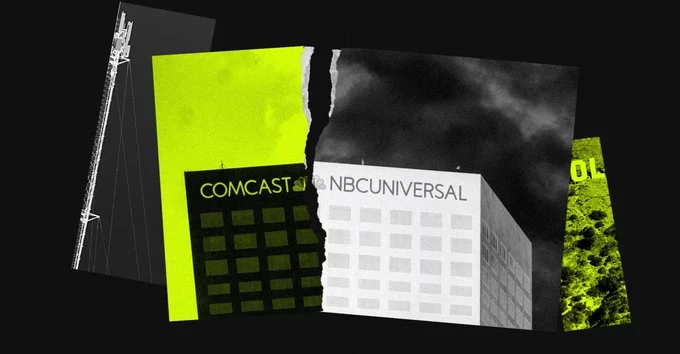
In 2011, Comcast bought a majority stake in NBCUniversal (NBCU) for about $30 billion. The main reason was simple: content is king. Comcast, a cable TV and internet provider, wanted to own the movies, TV shows, and news that people watch. By owning NBCU, Comcast could control both the pipes (cable and internet) and the content flowing through them. This is called vertical integration. It allowed Comcast to profit from both subscription fees and advertising revenue.
Fast forward to 2025, and the media world has changed completely. Streaming services like Netflix, Disney+, and Amazon Prime have taken over. Cable TV subscriptions are dropping fast. Comcast realized that owning a traditional media company like NBCU was no longer a strategic advantage. Instead, it became a financial drain. By spinning off NBCU, Comcast can focus on its core business: providing high-speed internet and mobile services.
When Comcast bought NBCU, cable TV was still strong. But today, millions of people cut the cord every year. They prefer streaming on demand. NBCU’s cable channels (like USA Network, Bravo, and Syfy) lost viewers. Even NBC’s broadcast network faces tough competition from streaming giants.
Comcast also carries a lot of debt from the original merger and other investments. By separating NBCU, Comcast can reduce its debt load and improve its balance sheet. This makes the company more attractive to investors.
If you are a Comcast customer, you might not see big changes right away. But here is what could happen:
This breakup teaches us a key lesson: big media mergers don’t always work in a fast-changing market. What seemed smart 15 years ago can become a burden today. Companies must adapt or get left behind. For Comcast, the future is about connectivity, not content. For NBCU, the future is uncertain but full of possibilities.
Comcast’s split from NBCU marks the end of an era. It shows how the media industry is shifting from cable bundles to streaming and internet services. Whether you are an investor, a customer, or just a TV fan, this change will shape how you watch and pay for content in the years ahead.










Comment