


Contact Information
Suggested Writers
-

7.4K articles
-

2.4K articles
-

1.3K articles
-

34 articles
Jun 23 -
6 minutes, 49 seconds
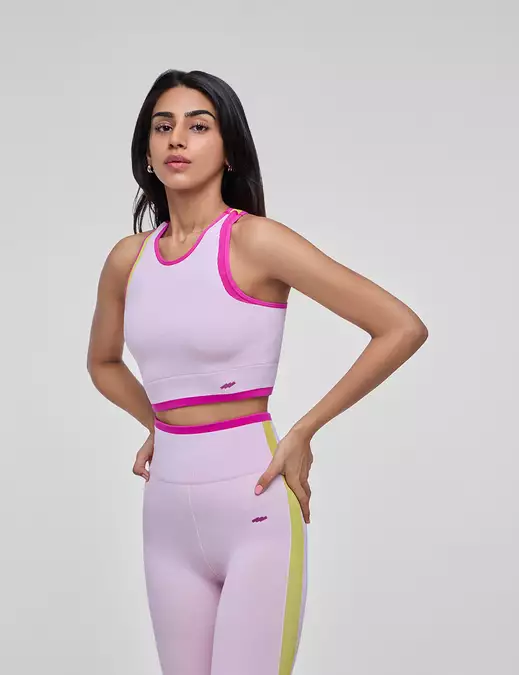
You're mid-burpee when your shirt rides up—again. Or worse, your leggings turn see-through during squats. Sound familiar? The wrong activewear doesn't just ruin your workout; it kills your confidence and focus. Quality girls gym wear isn't vanity—it's a performance tool. Here's how to choose pieces that move with you, not against you.
Cheap fabrics trap sweat. Baggy cuts restrict movement. When your clothes work against your body, every rep becomes harder than it should be.
High-performance fabrics regulate body temperature and reduce drag. Moisture-wicking materials pull sweat away from skin, preventing that clammy feeling that slows you down. Premium blends also dry faster between sets, keeping you comfortable during intense circuits.
Poor-quality materials? They sag, pill, and lose shape after a few washes—meaning you're replacing them constantly.
Ill-fitting gear creates distractions. Too tight, and you're adjusting constantly. Too loose, and fabric gets caught during exercises. Both scenarios break your mental flow.
Proper fit means full range of motion without restriction. When you stop thinking about what you're wearing, you can finally focus on form, breathing, and pushing limits.
Not all activewear delivers what it promises. Focus on these non-negotiables when shopping for girls gym wear.
Look for polyester-based blends with mesh ventilation panels. These fabrics actively transport moisture to the surface where it evaporates quickly. This keeps your core temperature stable during high-output workouts.
Cotton absorbs sweat but holds onto it—leaving you drenched and heavy.
The sweet spot? 10-20% elastane or spandex mixed with polyester or nylon. This combination provides four-way stretch that recovers its shape after stretching.
Check the recovery by pulling the fabric slightly. Quality blends bounce back immediately without sagging.
Budget pieces fade after three washes. Premium activewear maintains color intensity because manufacturers use solution-dyed yarns where pigment is embedded during fiber production, not added later.
Double-stitched seams and reinforced hems signal construction that lasts through hundreds of training sessions.
Flatlock stitching lies completely flat against skin, eliminating friction points. Traditional raised seams create hotspots during repetitive movements—leading to painful chafing on longer sessions.
Choosing the right gym t shirts ladies wear can significantly improve workout comfort and performance.
Fitted cuts work best for exercises requiring body awareness—like yoga or strength training where you need to see muscle engagement. Relaxed styles offer more airflow for steady-state cardio or dance workouts.
Neither is universally "better"—match the fit to your movement pattern.
Sleeveless: Maximum shoulder mobility for overhead movements
Short sleeve: Balanced coverage for mixed training
Long sleeve: Thermoregulation for outdoor sessions or air-conditioned gyms
Cropped styles reduce fabric bunching during core exercises. Full-length tees offer more coverage during bending movements. Both serve legitimate functional purposes beyond aesthetics.
Modern textiles are engineered, not just woven.
Polyester handles moisture, dries rapidly, and maintains shape. Cotton feels soft initially but becomes waterlogged and heavy. For anything beyond casual stretching, synthetic blends outperform natural fibers significantly.
Blends combining both can work for low-intensity activities.
Silver ion treatments or polygiene technology prevent bacterial growth that causes odor. This means your gear stays fresher between washes—practical for busy schedules or back-to-back training days.
UPF-rated fabrics block harmful rays during outdoor workouts. Look for UPF 50+ ratings which block 98% of UV radiation—crucial for runners and outdoor boot camp enthusiasts.
Different disciplines demand different features, whether you're buying girls gym wear or performance-focused activewear.
Prioritize abrasion-resistant fabrics that withstand rope climbs and box jumps. Four-way stretch is essential for explosive movements. Compression fits reduce muscle vibration during plyometrics.
Buttery-soft fabrics with high elastane content move through full ranges without resistance. Opaque materials prevent transparency during forward folds. High waistbands stay put during inversions.
Featherweight constructions reduce energy expenditure. Reflective details improve visibility during early morning or evening runs. Longer back hems prevent ride-up during stride.
Thicker fabrics offer confidence during compound lifts. Racerback designs free your shoulders for overhead presses. Sweat-proof materials maintain opacity under gym lighting.
Numbers on tags don't tell the full story.
Brands size inconsistently. Always check measurement charts—bust, waist, and hip measurements against brand-specific sizing. A medium in one brand might be a large in another.
Gapping waistbands? You need a smaller size or different rise height. Pulling across hips? Size up—restriction here limits movement significantly. Straps sliding? Look for adjustable or racerback designs.
Do bodyweight squats, arm circles, and torso twists in the fitting room. Fabric should move with you without bunching, digging, or exposing skin unintentionally.
Performance and principles can coexist.
Recycled polyester from plastic bottles offers identical performance with reduced environmental impact. Look for OEKO-TEX or bluesign certifications indicating responsible chemical usage.
Fair Trade certification and transparent supply chains indicate worker welfare prioritization. These details matter if your values extend beyond performance metrics.
Proper care doubles garment longevity.
Wash in cold water with sport-specific detergent. Skip fabric softener—it coats fibers and blocks moisture-wicking capabilities. Air dry when possible; heat damages elastane.
Never ball up leggings. Fold or hang to prevent stress on elastic fibers. Store in cool, dry places away from direct sunlight which degrades synthetic materials over time.
Avoid these frequent pitfalls when investing in girls gym wear and gym t shirts ladies collections.
Trendy details that don't serve performance become annoying quickly. Choose pieces where aesthetics support rather than compromise functionality.
That tag reveals everything—fiber content, care instructions, and origin. Five minutes reading labels saves money on pieces that won't perform.
Activewear needs real-world testing. Generous return windows let you actually work out in pieces before committing fully.
Replace when fabrics lose elasticity, develop odors that don't wash out, or show visible wear. Typically 6-12 months with regular use.
For low-intensity activities, yes. For anything raising your heart rate significantly, synthetic performance fabrics dramatically improve comfort.
Base on training frequency. Training 4-5 times weekly? Own 3-4 complete sets to avoid constant laundry cycles.
Quality pieces cost more upfront but last significantly longer and perform better—making cost-per-wear competitive with budget options.
The right gym wear eliminates distractions and amplifies performance. Prioritize fabrics that work as hard as you do—moisture-wicking, durable, and movement-ready. Whether you are shopping for premium girls gym wear or reliable gym t shirts ladies collections, choosing high-quality apparel can make a noticeable difference in comfort, confidence, and results. Explore Feier's performance-driven collection designed for women who refuse to compromise between function and confidence. Start building your ideal training wardrobe today.
7.4K articles
2.4K articles
1.3K articles
34 articles



Comment