Cell Tower in Space Launch: What You Need to Know
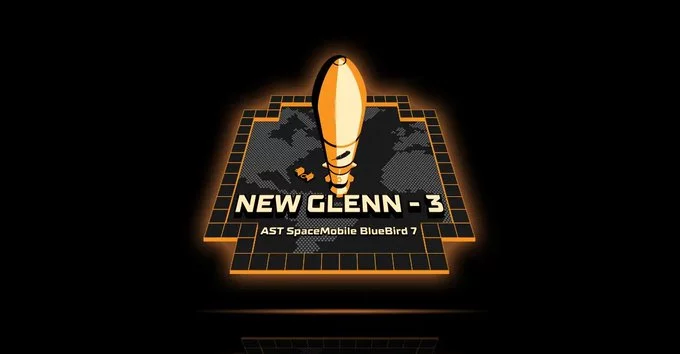
Cell tower in space technology is moving from concept to reality this weekend as a major launch prepares to take place. The mission aims to send a powerful satellite capable of acting like a giant orbiting cell tower, delivering connectivity directly to smartphones. This development could eliminate dead zones, expand rural coverage, and reshape how mobile networks operate globally. With several major players racing to dominate space-based connectivity, this launch marks a turning point in the future of communication.
How Space-Based Cell Towers Actually Work
Unlike traditional satellites that require specialized receivers, this new system is designed to connect directly to everyday smartphones. That means users won’t need new devices or hardware upgrades to benefit from improved coverage. Instead, the satellite acts like a floating cell tower, broadcasting signals across vast areas, including remote and underserved regions.
This approach solves one of the biggest limitations of ground-based infrastructure. Building towers in remote or difficult terrain is expensive and slow, often leaving millions without reliable service. A space-based solution bypasses those barriers, offering broader coverage with fewer physical limitations. As a result, industries ranging from agriculture to emergency response could see immediate benefits.
Why This Launch Matters for Global Connectivity
Reliable mobile connectivity is still out of reach for large parts of the world. Even in developed regions, signal gaps remain a common frustration for users. A cell tower in space could change that by providing seamless coverage across land, sea, and even in the air.
This technology also holds promise during disasters when traditional infrastructure is damaged or destroyed. Emergency teams could maintain communication using satellite-based networks, improving response times and coordination. For everyday users, it could mean fewer dropped calls, faster data speeds, and consistent service wherever they go.
Beyond convenience, the economic impact could be significant. Expanding connectivity enables digital services, remote work, and online education to reach more people, helping bridge the digital divide.
The Race Between Tech Giants Heats Up
The upcoming launch is not happening in isolation. It signals the beginning of an intense competition between companies aiming to dominate space-based connectivity. Each player is taking a slightly different approach, but the goal remains the same: deliver fast, reliable mobile service directly from orbit.
This race is expected to accelerate innovation and drive down costs over time. As more satellites are deployed, competition will likely lead to better performance and wider availability. Consumers stand to benefit the most, as improved services become more accessible and affordable.
However, challenges remain. Managing satellite traffic, preventing interference, and ensuring sustainable space operations are critical issues that companies must address. Regulators will also play a key role in shaping how these networks operate globally.
What Happens Next After the Launch
If the mission succeeds, it will pave the way for more launches and rapid expansion of satellite networks. Early testing phases will focus on performance, reliability, and compatibility with existing mobile devices. Companies will analyze data to refine their systems and improve service quality.
Over time, users may start noticing gradual improvements in connectivity, especially in areas where signals were previously weak or nonexistent. The rollout won’t happen overnight, but the trajectory is clear: space-based communication is becoming a core part of the global network.
Future developments could include faster speeds, lower latency, and integration with next-generation technologies. As the infrastructure grows, the idea of being “offline” may eventually become a thing of the past.
A New Era for Mobile Networks Begins
Cell tower in space innovation represents more than just a technological milestone—it signals a shift in how the world stays connected. By moving critical infrastructure beyond Earth, companies are redefining the limits of communication. This weekend’s launch could be remembered as the moment the industry truly entered a new era.
As competition intensifies and technology evolves, users can expect a future where connectivity is no longer tied to geography. Whether in a bustling city or a remote village, access to reliable mobile service may soon be universal.














Comment