Alerts

-
7 minutes, 4 seconds
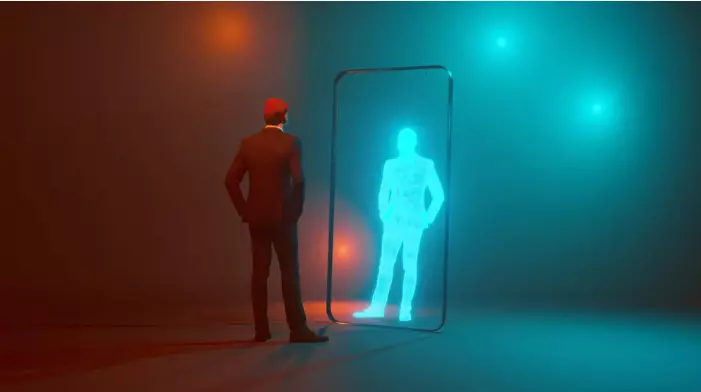
The short answer is: it depends. But the long answer is more important. The AI agents you build at work are becoming your most valuable career asset. However, whether you can take them with you when you leave a job depends on how you build them, what data they use, and what your employment agreement says. This guide explains the ownership gray zone and how to protect your digital work.
For years, the rule was simple. Companies gave you tools, data, and computers. You gave them your thinking. When you left, the tools stayed. You only took what was in your head.
That rule is changing fast. Now, you are not just using company tools. You are building your own AI systems. These systems learn how you think, how you write, how you solve problems. They become a digital copy of your professional style.
At first, they just help you work faster. But over time, they become something bigger: a digital extension of you. This creates a new ownership question. Does your AI system belong to you or your employer?
Most people assume everything built at work belongs to the company. But AI agents are different. They encode your judgment, your preferences, and your way of working. They are not just software. They are a piece of you.
Here is the problem:
No clean rule exists yet to separate them. That is why you need a strategy.
What makes AI agents powerful is memory. They do not just do tasks. They remember how you did them. Over time, they store:
This memory becomes a representation of how you think. A recent paper called "The Memory Wars" calls this "cognitive sovereignty." It means you should control systems that hold your thinking patterns. The idea of "memory portability" says that moving your AI memory between jobs is critical for your independence.
If your memory is portable, your experience arrives with you in operational form. You do not rebuild from scratch. If it is not portable, your employer owns how you think at work.
You can take your AI agents with you if you build them the right way. Here is how:
Create prompts and workflows on your personal accounts (like a personal ChatGPT or Claude account). Do not rely only on company tools. Store your best prompts in a secure personal location.
When you train an AI agent, use anonymized or public data when possible. Keep your personal thinking patterns separate from confidential company information.
Choose AI tools that let you export your data and configurations. Avoid platforms that lock your work inside their system.
Write down how you built your AI agents. Explain your logic, your rules, and your workflows. This documentation is yours. It travels with you.
Check if your contract says everything you create belongs to the company. If it does, negotiate for personal AI systems to be excluded. More companies are starting to allow this.
Companies used to own your knowledge. Now, you can own your capability infrastructure. This changes everything for hiring and retention.
For employees: Your value grows independently of any single employer. Every role adds new data and refinements. Changing jobs no longer resets your effectiveness. It amplifies it.
For employers: You are paying for access to a capability infrastructure that may not fully belong to you. Retaining talent now means retaining the systems they bring. That requires a different strategy.
The AI economy will reward what you build around yourself to operate at scale. The knowledge economy rewarded what you knew. The AI economy rewards what you have built. The professionals who understand this earliest will carry an advantage that is hard to replicate.
So, can you take your AI agents when you leave a job? Yes, if you build them with portability in mind. Start today. Your future self will thank you.










Comment