
Alerts
-
6 minutes, 49 seconds
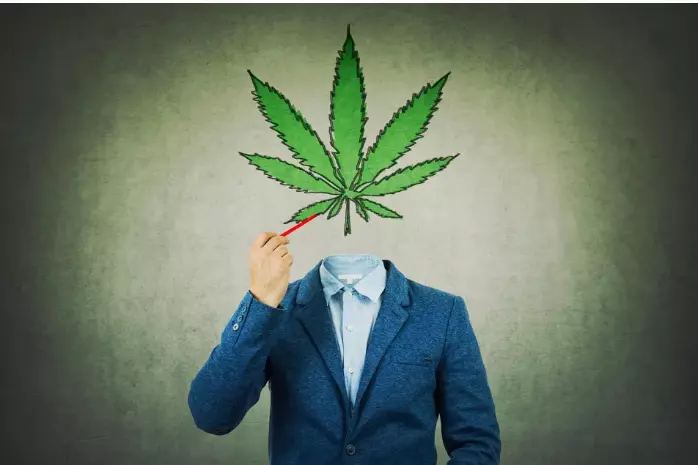
Legal marijuana use is becoming more common—but can it still cost you a job? The short answer is yes, in many cases. Even if cannabis is legal where you live, a positive THC test can still impact hiring decisions. This often surprises job seekers who assume legality equals protection. In reality, employment laws operate separately from criminal laws. Employers can still enforce workplace policies, especially around safety and compliance. As marijuana laws evolve, the gap between legality and employment rights is becoming more important to understand.
One of the biggest misconceptions is that legalization automatically protects workers. In most places, it doesn’t. Legalization typically removes criminal penalties for use, but it doesn’t restrict employer policies. Companies can still require drug testing and make decisions based on results. This means off-duty use—even if legal—can still lead to a withdrawn job offer. Federal law also plays a major role, particularly in regulated industries. Employers must often follow stricter national guidelines regardless of local laws. As a result, legality and employability don’t always align.
Drug testing remains a standard part of the hiring process in many industries. A positive THC result can raise concerns for employers, even if there’s no evidence of impairment. Traditional tests detect cannabis metabolites, which can stay in the body long after use. This means a test may reflect past behavior, not current ability to perform the job. Still, many employers treat positive results as a risk factor. This is especially true in roles tied to safety or liability. For candidates, understanding how testing works is essential before applying.
Marijuana employment rules vary widely depending on location. Some regions offer protections for off-duty use, while others give employers broad discretion. In certain states and cities, restrictions limit when employers can test for marijuana. Others allow testing but restrict how results can be used in hiring decisions. This creates a fragmented legal landscape where outcomes can differ dramatically. Two candidates with the same test result could face completely different consequences. Knowing the laws in your specific area is critical to navigating this complexity.
In some jurisdictions, pre-employment marijuana testing is becoming less common. Certain states and cities have introduced rules limiting or banning THC testing for many roles. These laws often focus on preventing discrimination based on lawful, off-duty use. However, exceptions still exist for safety-sensitive positions or federally regulated jobs. In these areas, candidates may never face a marijuana test during hiring. This shift reflects growing recognition that traditional testing methods don’t measure impairment. Still, protections are not universal and depend heavily on location.
Other regions take a more balanced approach by allowing testing with restrictions. Employers may conduct drug tests but cannot rely solely on a positive result to make decisions. In these cases, additional factors—such as job performance or safety risks—must be considered. Some laws also require accommodations for medical marijuana users. This creates a more nuanced hiring process where results are evaluated in context. For workers, this can provide some protection, but not certainty. Outcomes often depend on how employers interpret and apply the rules.
In many areas, employers retain broad authority over hiring decisions related to marijuana use. Even where cannabis is legal, companies can enforce strict drug-free workplace policies. A positive THC test may still lead to immediate disqualification. This is especially common in industries where safety, compliance, or liability are critical. In these environments, the distinction between legal use and workplace policy is clear. Employers prioritize risk management over evolving social norms. For job seekers, this means caution is still necessary.
A growing trend in marijuana policy is the shift toward measuring impairment rather than past use. Traditional drug tests don’t accurately reflect whether someone is under the influence at work. As a result, some jurisdictions are moving away from metabolite-based testing. Instead, they focus on observable signs of impairment or job performance. This approach aims to balance employee rights with workplace safety. However, defining and measuring impairment remains a challenge. Until clearer standards emerge, uncertainty will continue in hiring practices.
For job seekers, the key takeaway is simple: legal marijuana use does not guarantee job security. Understanding employer policies and local laws is essential before entering the hiring process. Being informed can help you avoid surprises and make better decisions. As laws continue to evolve, so will workplace expectations. The future may bring more clarity, but for now, the landscape remains uneven. Staying aware and adaptable is the best strategy in a changing job market.










Comment