Alerts

-
5 minutes, 8 seconds
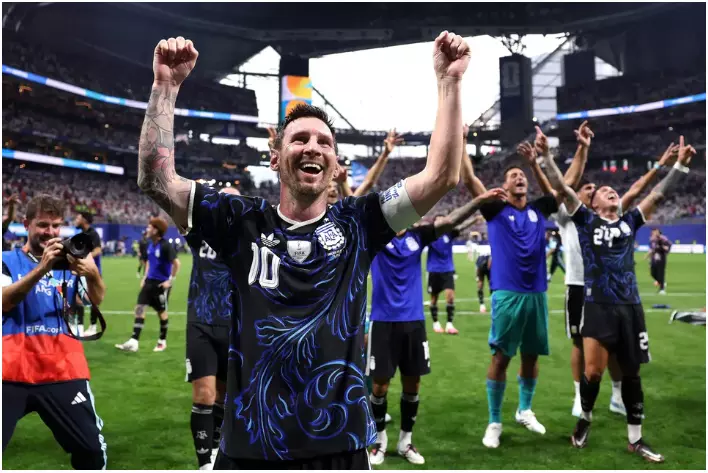
The Argentina national team did it again. Against all odds, they kept millions of fans on the edge of their seats during the 2026 World Cup knockout rounds. Their journey was not a comfortable cruise. It was a masterclass in survival, resilience, and tactical genius under extreme pressure. For corporate leaders, the story of Scaloneta is more than a sports victory. It is a perfect reflection of how the human brain handles intense stress. While many executives freeze or burn out when projects go wrong, Argentina shows us a different path. They use pressure as fuel. This article breaks down how you can learn to perform under pressure using the Argentina team's proven blueprint.
Most people think stress is bad. But neuroscience tells a different story. Extreme urgency and chaos can trigger a state of hyper-focus. This is common in ADHD profiles, but anyone can learn it. When you are backed against the wall, your brain can produce absolute clarity. Argentina operates exactly this way. They are a high-performance engine that needs acute, terrifying pressure to ignite. This is not luck. It is modern energy management. Elite performers do not manage their calendars. They manage their internal state. They conserve energy when things are calm, so they can explode with focus when pressure peaks.
Look at the relentless path Argentina conquered to reach the World Cup Final. They performed at their best only when their backs were against the wall.
They turned imminent failure into strategic momentum. If you want to stop burning out when projects hit the eleventh hour, study this high-performance blueprint.
In Argentine football, the sideline is usually a place of emotional combustion. Managers lose their minds celebrating or screaming in panic. But Lionel Scaloni broke this pattern. He directs and pushes his players, but the moment a goal is scored or pressure spikes, he stays calm as a rock. He signals that the match is not over. He teaches the team to manage the environment, not be consumed by it.
This calm from the coach needs a fierce leader on the field. Lionel Messi stepped up. When the environment became toxic, he shielded his team. The tipping point against England came when Messi went face-to-face with an aggressive Jude Bellingham. The squad saw their pack leader stand his ground. They felt protected. Instantly, they shifted from defense to total dominance.
When the stadium screams and the clock ticks down, your brain defaults to panic. It obsesses over failure. Harvard research confirms that high-performing executives do the same. They paralyze their prefrontal cortex by imagining worst-case scenarios. To perform under pressure, forget the final result. Anchor yourself in the now. Take a breath. Flush out the cortisol. Focus entirely on the immediate micro-task. As Scaloni noted, accepting the suffering brings peace. You cannot control the scoreboard. You can only control your next move.
True leadership does not mean suppressing feelings. It means converting them into operational power. When pressure builds, draw energy from your anger, your will to win, and the memory of every sacrifice you made. The Argentine team carries a collective fire. It is fueled by decades of critics questioning past icons and doubting their validity. Against England, they transformed that chip on their shoulder into pure fuel. They stepped onto the pitch with a singular obsession: leave no room for doubt. Reconnect with where you come from. Remember why you are fighting.
In the corporate boardroom, perfectionism is the enemy of execution. During the first 45 minutes against England, Argentina was overly cautious. They registered only two shot attempts, neither on target. But the moment England scored, the strategy shifted from elegant perfection to absolute aggression: just shoot to score, no matter where you are. This bias-to-action allowed Julián Álvarez to confidently strike when they needed to break a deadlock against Switzerland. When under duress, stop looking for the flawless strategy. Pick a single, high-impact action. Commit completely. Start firing.
This is a trap every competitor knows. When you are winning, the temptation is to let your foot off the gas. You tell yourself, "Just don't make mistakes. Protect the lead." That is exactly when you lose. The moment England scored, they committed the fatal error of trying to defend. Argentina took the opposite approach. They viewed pressure as an invitation to attack. They scored twice in a lightning-fast 15-minute window. Never shift into a passive posture when stakes rise. The pressure is your cue to attack.
True executive resilience will not belong to those who work longer hours. It will belong to those who master energy management. The next time your organization faces an existential challenge, do not wish for less friction. Whether you are in the heat of a Texas summer or the depth of an Argentine winter, performance relies on how you channel the heat. Step up to the baseline. Embrace the noise. Treat stress not as a threat that burns you out, but as the ultimate catalyst for focus. Even when the outer world is in chaos, your job is to maintain your psychological homeostasis. Keep your mental temperature cool, regulated, and steady. Strip away the corporate anxiety. Trust your strategic baseline. Simply play the next point.










Comment