



Apple Ultra Products: Premium Devices Coming Next
-
6 minutes, 3 seconds
Apple Ultra Products: Premium Devices Coming Next
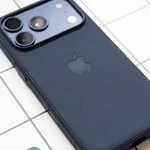
Apple Ultra products appear to be the company’s next big move as it shifts back toward high-end devices. Reports suggest several premium gadgets are already in development, including a foldable iPhone, a touchscreen MacBook Pro, and advanced AirPods with built-in cameras. These products are expected to sit above Apple’s standard lineup, targeting customers willing to pay more for cutting-edge hardware and exclusive features.
Apple Expands Its Premium “Ultra” Strategy
Recent reports indicate that Apple is preparing a new wave of ultra-premium products designed to push its hardware lineup further upmarket. While the company recently launched the budget-friendly MacBook Neo to attract more price-conscious buyers, its next moves appear focused on high-end innovation.
Instead of relying solely on mainstream devices, Apple seems to be creating a tier of products that sit above its traditional lineup. These upcoming gadgets may not all carry the “Ultra” branding directly, but they are expected to offer more advanced technology and significantly higher price points.
This dual strategy—serving both budget and premium markets—could help Apple expand its customer base while maintaining its reputation for cutting-edge hardware.
Foldable iPhone Could Lead the Ultra Lineup
One of the most anticipated Apple Ultra products is a foldable iPhone. Rumors surrounding this device have circulated for years, but recent reports suggest the company is finally moving closer to launching it.
The foldable iPhone is expected to feature a flexible display that allows the device to function both as a smartphone and a small tablet. This design could appeal to users who want more screen space without carrying multiple devices.
Price is expected to be a defining feature of the device. Early estimates suggest the foldable iPhone could cost around $2,000, placing it firmly in the ultra-premium category. Such pricing would position it as one of the most expensive consumer smartphones ever released by Apple.
Touchscreen MacBook Pro May Arrive Soon
Another device reportedly in development is a touchscreen MacBook Pro. For years, Apple resisted adding touch displays to its laptops, arguing that traditional keyboard and trackpad interactions were more effective for productivity.
However, changing user expectations and advances in display technology may finally push Apple to reconsider. A touchscreen MacBook Pro could blend traditional laptop functionality with tablet-like interactions.
If introduced, this feature could unlock new creative workflows for designers, video editors, and developers. Touch support might also allow deeper integration between macOS and iPad-style applications, potentially reshaping how users interact with laptops.
Next-Generation AirPods Could Add Cameras
Perhaps the most intriguing addition to the rumored Apple Ultra products lineup involves next-generation AirPods. Reports suggest future models may include tiny cameras designed to capture visual context for voice assistants.
These cameras would not function like traditional photography sensors. Instead, they could help digital assistants better understand a user’s environment. For example, the assistant might identify objects, locations, or gestures to provide more helpful responses.
This concept could significantly enhance the capabilities of Siri, allowing it to deliver smarter and more context-aware assistance.
Such a feature would represent a major step toward wearable AI devices that interact seamlessly with the real world.
Balancing Budget and Ultra-Premium Products
Apple’s strategy appears to be evolving into a two-direction approach. On one end of the market, devices like the affordable MacBook Neo aim to bring more customers into the ecosystem.
On the other end, ultra-premium devices push the boundaries of technology and pricing. These high-end products often act as showcases for innovation, introducing features that may eventually trickle down to mainstream devices.
This approach allows Apple to maintain its premium brand identity while still expanding into more accessible price categories.
Why Apple Ultra Products Could Shape the Future
If these rumors prove accurate, Apple Ultra products could signal the company’s next major hardware era. Foldable smartphones, AI-powered wearables, and touchscreen laptops all represent emerging trends in consumer technology.
By introducing these devices within a premium tier, Apple can experiment with bold ideas while targeting early adopters who are eager to experience the latest innovations.
As the tech industry evolves, Apple’s ability to balance affordability with ultra-premium experimentation may become one of its strongest competitive advantages. For consumers, that could mean a future filled with more powerful, more intelligent, and more versatile devices than ever before.



Contact Information




Suggested Writers
-

2.5K articles
-

1.3K articles
-

34 articles
-

28 articles



Comment