Apple Maps Ads are becoming one of the most talked-about changes in Apple’s ecosystem, and many users want to know when they will appear, where they will show up, and whether they can be disabled. Apple is preparing a summer rollout that integrates ads directly into search results and discovery features within Maps on iPhone and iPad. The update signals a major shift in how Apple monetizes its services while maintaining its privacy-focused messaging.
Apple is planning to begin showing ads in the Maps app during the summer release window, with early testing already visible in the latest beta software. The rollout will initially focus on users in the United States and Canada before expanding to other regions. Ads will appear in search results when users look for businesses, locations, or services. These placements are designed to blend into the existing search experience while still being clearly labeled. Apple’s approach mirrors its existing advertising system used in other apps, where businesses can bid for visibility.
Search-based Apple Maps Ads Placement
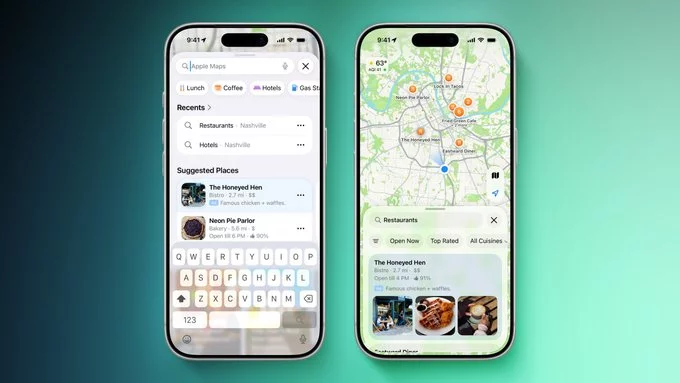
Apple Maps Ads will be primarily driven by search activity, meaning that user intent plays a key role in what promotions appear. When someone searches for restaurants, shops, or services, sponsored listings may appear at the top of results. These ads are clearly labeled to distinguish them from organic results. Businesses will compete for placement using a bidding system, similar to other Apple advertising formats. This creates a new monetization layer inside Maps without changing the core navigation experience.
Suggested Places and Apple Maps Ads Discovery Shift
Alongside ads, Apple is introducing a Suggested Places feature that highlights trending locations and personalized recommendations. This system uses recent searches and local popularity signals to surface relevant spots. Ads are expected to appear within this discovery experience, blending promotional content with recommendations. While this may improve visibility for businesses, it also raises questions about the separation between ads and organic suggestions. Users will likely see more curated content as Apple leans further into location-based discovery.
Privacy and Apple Maps Ads User Concerns
Apple has stated that location data used for ads will not be tied to a user’s Apple account, and interactions will not be shared with third parties. This is intended to reassure users concerned about tracking and personalization risks. However, the introduction of ads in a core app like Maps has sparked debate about Apple’s long-standing privacy positioning. Some users worry that monetization could expand to other native apps over time. Despite concerns, Apple continues to emphasize clear labeling and controlled data usage.
What Apple Maps Ads Mean for Users in 2026
Looking ahead, Apple Maps Ads could reshape how users discover places, especially in urban areas where search-based navigation is common. Businesses may benefit from increased visibility, but users could experience more sponsored results in everyday searches. The feature reflects a broader industry trend toward monetizing mapping and discovery platforms. As the rollout begins in summer 2026, user feedback will likely shape future adjustments. The key question remains whether convenience and relevance outweigh concerns about paid placement.
A gradual rollout means users will start noticing subtle changes in Maps search behavior over time. Early beta testing suggests ads will remain clearly marked to avoid confusion during navigation. Still, user perception will play a major role in how successful the feature becomes. Apple’s balance between privacy messaging and monetization will continue to be closely watched. Future updates may refine how ads integrate with Maps search results globally. Weeks after launch, feedback from users will likely influence how aggressively ads are expanded across regions in future releases.














Comment