


Apple Home Hub: Robotic Swiveling Base Could Revolutionize Smart Homes
-
4 minutes, 41 seconds
Apple Home Hub Could Arrive This Spring with Robotic Swiveling Base
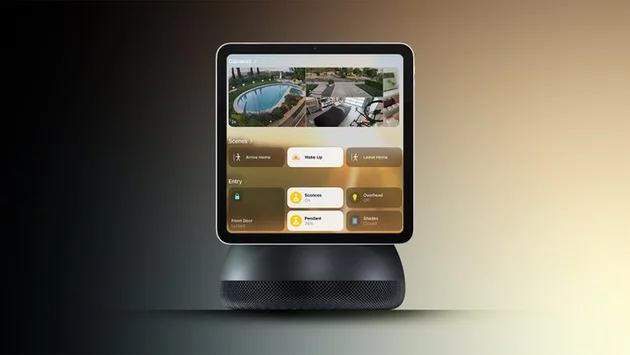
Apple is reportedly planning to launch a new home hub device as early as this spring, featuring a robotic swiveling base. According to insider reports, the upcoming device will combine a small display, speakers, and AI-driven capabilities designed to transform the way users interact with smart home technology. Early leaks suggest this hub could move and adjust its position, potentially responding to the location of people in the room.
A Smart Home Device Unlike Any Before
While rumors about Apple’s home hub have circulated for some time, none previously hinted at a swiveling or robotic base. This new detail suggests the device may offer more dynamic interactions than previous smart speakers. The base is expected to allow the hub to rotate or tilt, possibly turning to face users while responding to commands. Such functionality could make home interactions feel more natural and engaging, emphasizing Apple’s focus on AI-enhanced user experiences.
Two Versions of the Hub: Wall-Mounted and Tabletop
Apple is reportedly developing two versions of the home hub. One will be wall-mounted, offering a stationary AI display, while the other will feature a tabletop design similar in size to the HomePod mini. The latter could include the swiveling base, allowing it to move across surfaces or adjust its display to optimize visibility. This dual approach mirrors Apple’s strategy of offering flexible solutions to fit different living spaces and user needs.
Could the Hub Be a Precursor to Apple’s Tabletop Robot?
The swiveling base description bears resemblance to Apple’s upcoming tabletop robot, expected in 2027. That device will reportedly feature an iPad-like display mounted on a robotic arm capable of rotating 360 degrees. It will move to face whoever is speaking and showcase a "visual personality," suggesting Apple is exploring a more expressive and interactive form of AI technology. The spring release of the home hub could be the first step toward that vision, providing a testing ground for similar features.
AI Features and Enhanced Siri Integration
The home hub is expected to leverage a range of sensors to detect when someone enters a room, potentially allowing it to adjust its display and orientation automatically. Alongside this hardware innovation, Apple is preparing iOS 26.4, which will bring an upgraded version of Siri. Together, these updates could make the home hub a centerpiece for AI-driven home automation, enabling more intuitive control over smart devices, music, and daily routines.
What the Robotic Swiveling Base Means for Users
While Apple has not confirmed the purpose or full capabilities of the robotic base, it likely aims to enhance user engagement. By swiveling to face users, the hub could create more personalized interactions and improve visibility for video calls, notifications, or multimedia content. For Apple, combining AI with mobility in a home hub could set a new standard for smart home devices, moving beyond static displays and passive speakers.
Launch Timeline and Expectations
Industry insiders suggest the home hub could launch alongside iOS 26.4, possibly within the next few months. If these rumors are accurate, Apple may finally deliver a smart home device that blends AI, mobility, and design in a way that aligns with its reputation for intuitive, premium technology. Homeowners and Apple enthusiasts alike are eagerly awaiting further announcements, as the hub could redefine expectations for connected living spaces.



Contact Information




Suggested Writers
-

2.5K articles
-

1.3K articles
-

34 articles
-

28 articles



Comment