
Alerts
-
5 minutes, 44 seconds
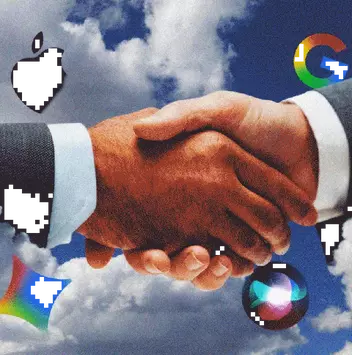
Apple has officially chosen Google’s Gemini AI models to power the next evolution of Siri, answering months of speculation about which AI partner Apple would trust. The Apple-Google Gemini deal confirms that Gemini will underpin Siri’s new personalization and agent-style capabilities starting in 2026. For users asking whether Apple is abandoning its own AI efforts, the answer is no. Apple says Apple Intelligence will still run largely on-device and through its Private Cloud Compute system. Google’s role is foundational, not dominant. This partnership positions Siri to compete more directly with AI assistants like ChatGPT, Claude, and Alexa Plus. It also signals that Apple is willing to collaborate to accelerate AI progress. The announcement marks one of the most significant AI alliances in Big Tech this decade.
Apple reportedly evaluated OpenAI and Anthropic before settling on Google, making the Gemini selection a strategic rather than emotional decision. Gemini offers mature multimodal capabilities, global infrastructure, and proven scale across consumer products. For Apple, the appeal lies in reliability and long-term viability rather than flashy demos. The company needs AI models that can work seamlessly across iPhones, iPads, and Macs. Gemini’s tight integration with Google Cloud also gives Apple access to frontier model performance without building everything from scratch. This approach lets Apple focus on user experience instead of model training wars. The deal reflects Apple’s preference for stability and control. It also avoids over-reliance on a single AI startup.
Siri’s upgrade is expected to focus on deeper personalization, contextual understanding, and multi-step task handling. Gemini will help Siri better interpret intent, manage complex commands, and interact more naturally with apps. Apple emphasizes that most processing will still happen locally or through Private Cloud Compute. This hybrid approach balances power with privacy, a core Apple selling point. Users may gain optional access to Gemini-powered features that require cloud-level intelligence. Analysts expect Siri to feel less reactive and more proactive. The changes aim to close the usability gap with conversational AI competitors. For everyday users, this could finally make Siri feel genuinely helpful.
Privacy concerns often surface whenever Apple partners with data-heavy companies like Google. Both firms stress that the Apple-Google Gemini deal preserves Apple’s privacy standards. Gemini instances used by Siri will run on Apple-controlled servers inside Apple data centers. This design limits data exposure while still benefiting from Google’s AI technology. Users may be able to opt into direct Gemini interactions, according to analysts. That opt-in model reinforces Apple’s user-first positioning. Maintaining trust is essential as AI becomes more personal. Apple clearly wants to avoid backlash over data misuse.
For Google, the deal is a major strategic win in the AI platform race. Embedding Gemini inside Siri expands Gemini’s reach to hundreds of millions of Apple users. This visibility strengthens Gemini’s position against OpenAI-backed products. Google also gains validation of its AI leadership from one of its biggest rivals. The partnership could drive further enterprise and consumer adoption of Gemini models. It also deepens Google Cloud’s relevance in high-stakes AI workloads. While Google Search and Apple remain competitors, AI shifts the battleground. Gemini’s presence inside Apple’s ecosystem raises the stakes across the industry.
The Apple-Google Gemini deal sends a clear signal to AI newcomers and smaller challengers. Established tech giants are willing to collaborate to defend their platforms. Rather than competing on every front, Apple and Google are aligning where it benefits them both. This move could slow the momentum of independent AI assistants. It also reshapes expectations for future AI partnerships across Big Tech. For consumers, the result may be better tools delivered faster. For the AI market, consolidation pressures are increasing. The deal marks a turning point in how AI power is shared and deployed.










Comment