
Alerts
-
5 minutes, 22 seconds
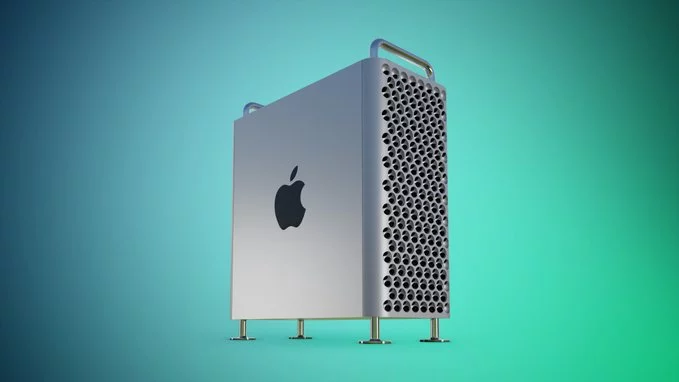
Apple’s latest product reshuffle has surprised many users, as the company quietly removes several hardware configurations and even discontinues long-standing products. While the Mac Pro shutdown grabbed headlines, Apple Discontinued More Than Just the Mac Pro across its lineup this month. Changes affect Mac Studio memory options, MacBook Pro storage tiers, and the Pro Display XDR. Here’s what changed, why it matters, and what buyers should know before upgrading in 2026.
One of the most notable adjustments is the Mac Studio configuration change, where Apple has removed the 512GB unified memory option. The system now caps at 256GB, signaling a shift in high-end workstation positioning. Although Apple has not provided an official explanation, industry analysts point to global memory shortages and rising chip prices as key factors. For professionals working in AI, video production, and simulation workloads, this reduction may influence purchasing decisions.
The 14-inch MacBook Pro lineup has also been revised, with Apple eliminating the 512GB storage configuration entirely. New models now start at 1TB, aligning the entry-level Pro experience with higher baseline performance expectations. While this improves consistency across the range, it also increases the entry price for users who previously relied on lower-cost storage options. The change reflects Apple’s broader strategy of simplifying product tiers while pushing users toward higher-capacity configurations.
Apple has also officially discontinued the Pro Display XDR, ending its role as the company’s flagship professional monitor since 2019. It is effectively replaced by the new Studio Display XDR, which introduces mini-LED technology, a faster 120Hz refresh rate, and significantly improved brightness levels. Unlike its predecessor, the new display integrates speakers, a camera system, and Thunderbolt 5 connectivity. However, it shifts to a smaller 27-inch form factor, making it more accessible but less expansive for some professionals.
These changes highlight Apple’s ongoing effort to streamline its product ecosystem while responding to supply chain pressures and evolving user demand. For buyers, the shift means fewer customization options but clearer upgrade paths across Mac and display lines. It also signals a gradual transition toward more unified hardware strategies across professional devices. As Apple continues refining its lineup, consumers may need to adapt quickly to changing configurations and pricing structures.
Global semiconductor demand continues to reshape how Apple allocates high-performance memory across its product range. Industry supply constraints have pushed manufacturers to prioritize efficiency over extreme configurations. As a result, workstation-class systems like Mac Studio face reduced flexibility in memory options. This shift also allows Apple to stabilize pricing and ensure availability across more devices. Analysts suggest this trend may continue throughout 2026 as AI workloads drive unprecedented memory consumption across global ecosystems
The removal of lower storage tiers has also influenced pricing strategy across Apple’s MacBook Pro lineup. With the base model now starting at 1TB storage, the entry price has increased, positioning the device as a more premium offering. While this move improves performance consistency, it reduces affordability for budget-conscious professionals and students. Market response suggests mixed reactions, with some users appreciating simplification and others concerned about cost barriers in 2026 overall.
Apple’s current adjustments indicate a broader transition toward streamlined hardware offerings and higher baseline specifications across its professional ecosystem. Future devices are expected to emphasize unified memory efficiency, tighter integration between hardware and software, and fewer low-tier configurations. As competition in AI computing intensifies, Apple is likely to continue refining its product strategy to balance performance demands with supply chain realities and user expectations worldwide going forward today










Comment